Lê Bá Đảng
"Làm sơn mài như Nguyễn Gia Trí thì không mấy ai theo được."

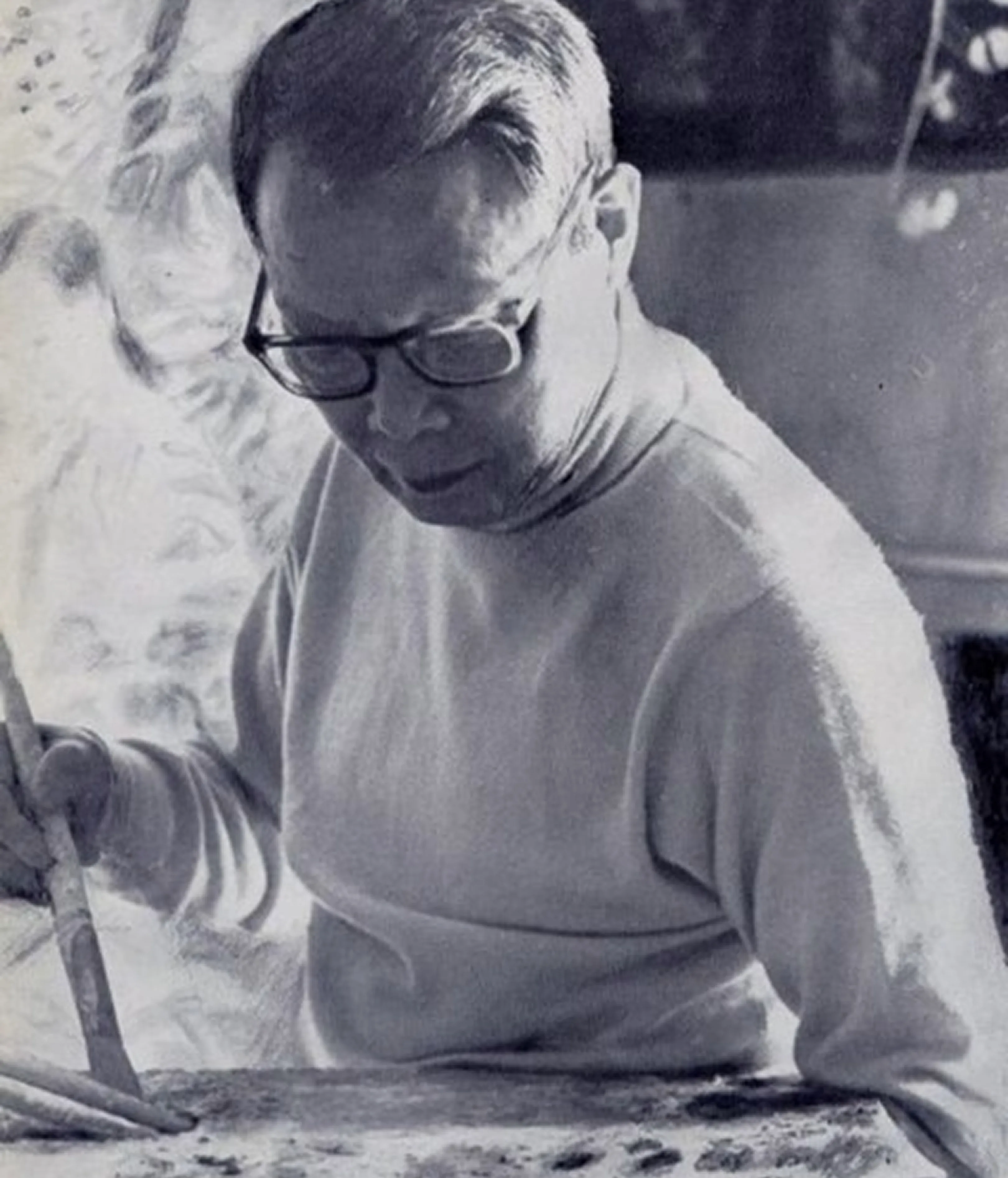
Lê Bá Đảng was one of the most exceptional figures in modern Vietnamese art—not only achieving international acclaim but also creating an independent artistic style that transcended traditional, geographical, and aesthetic boundaries. Born in 1921 in Quảng Trị, he emigrated to France in 1939 and studied at the École des Beaux-Arts de Toulouse from 1942 to 1948. From then on, he lived and created primarily in Paris, becoming an essential part of France’s contemporary art scene.

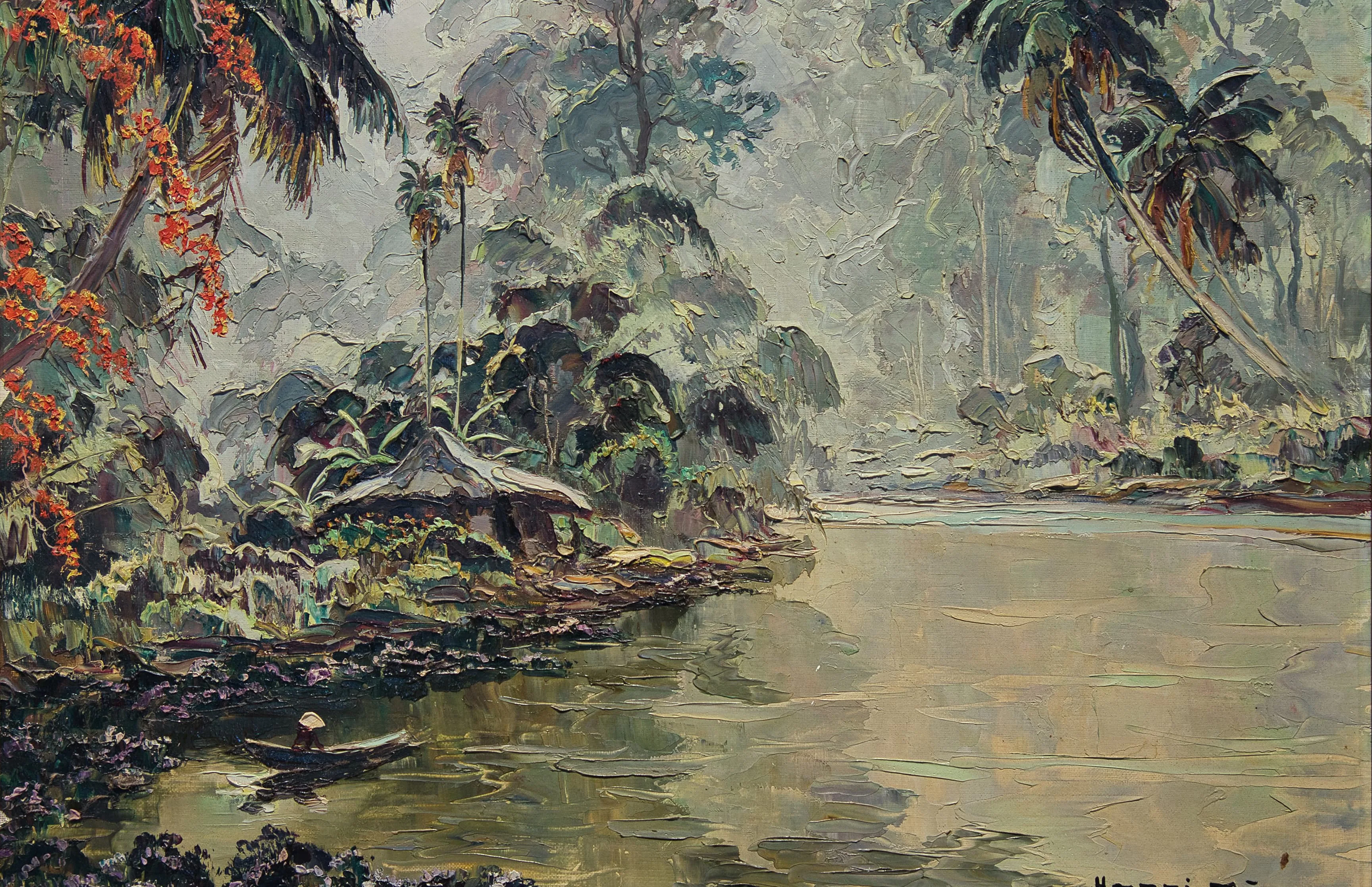
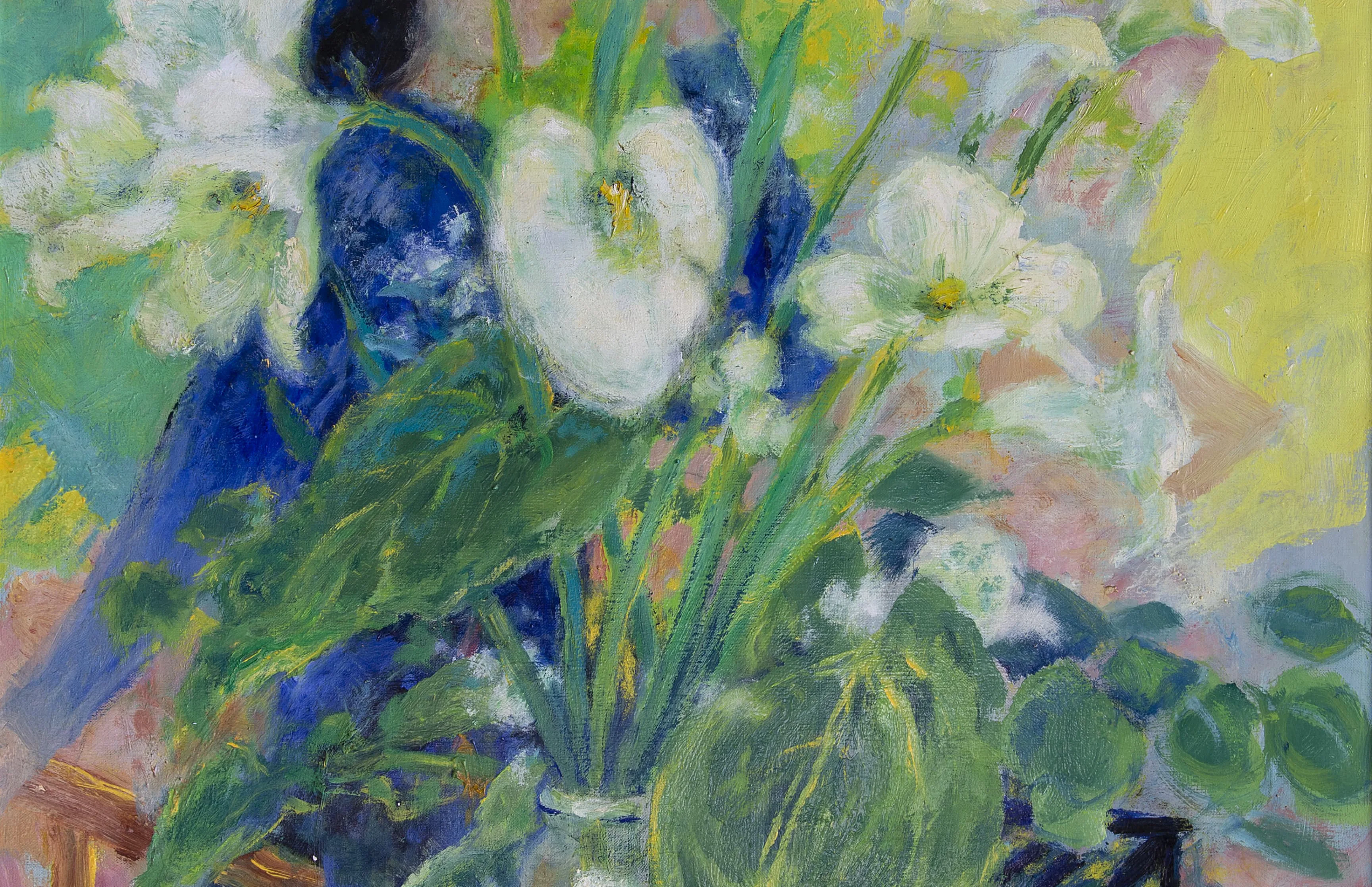
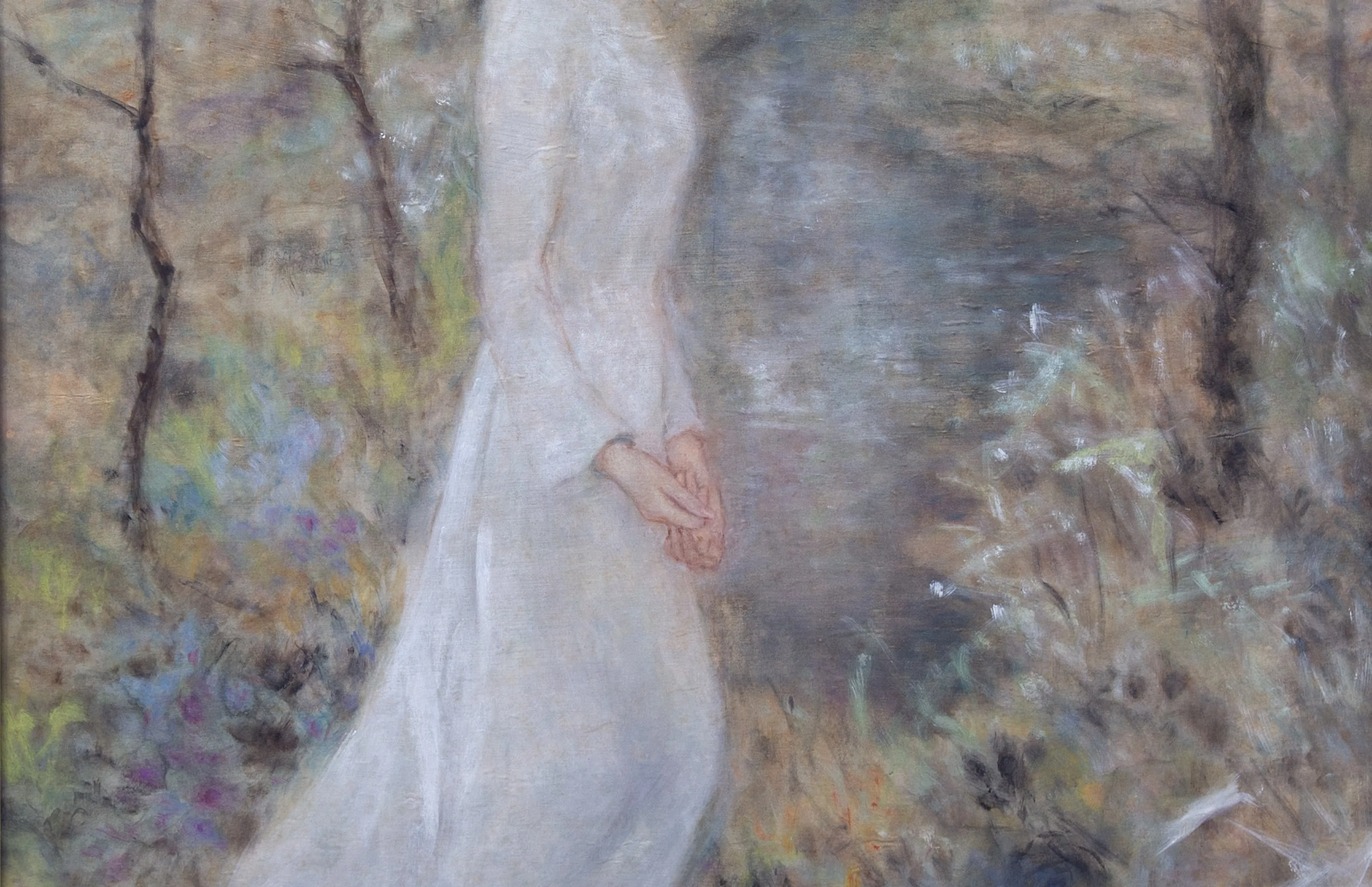
Lê Bá Đảng did not follow classical academic painting styles, nor did he confine himself to any particular school. Early on, he developed his own visual language—freely combining oil paints, watercolors, Chinese ink, dó paper, sculpture, mixed media, and especially lithography. In his work, Eastern cultural influences are vividly expressed through depictions of human figures, nature, mother earth, and spiritual motifs—yet always transformed through the abstract, modernist sensibility of 20th-century European art.
Throughout his career, Lê Bá Đảng held over 100 solo exhibitions worldwide—from Paris, London, and Brussels to Tokyo, New York, and many other cities. His work was widely covered by the French press. Regarding one of his solo shows in Paris, Cri de Paris wrote:
“Captivating, the entire body of Lê Bá Đảng’s work (galerie Vibaud, 13, rue de l’Odéon) reveals the face of Vietnam through the vision of an Indochinese man… a secret harmony between his heritage and Western technique, brought to life through compositions in painting, Chinese ink, drawing, silk decoration—in a vivid harmony just born.”
In 1992, he became the first Asian artist invited by the Musée de l’Armée (Museum of Military History) in France to create a series of paintings on the world wars. In 1994, he was awarded the French *Order of Arts and Letters* and was widely recognized in the art world as a master who bridged the cultures of East and West.
In 2006, together with the People’s Committee of Thừa Thiên Huế Province, he established the Lê Bá Đảng Art Center in Huế, as a symbol of connection between Vietnamese culture and global art. He passed away in 2015 in Paris, at the age of 94. His artistic legacy stands not only as an aesthetic achievement but also as a testament to the liberating spirit of Vietnamese artists in the modern era.