From Roots That Keep Reaching

other artists

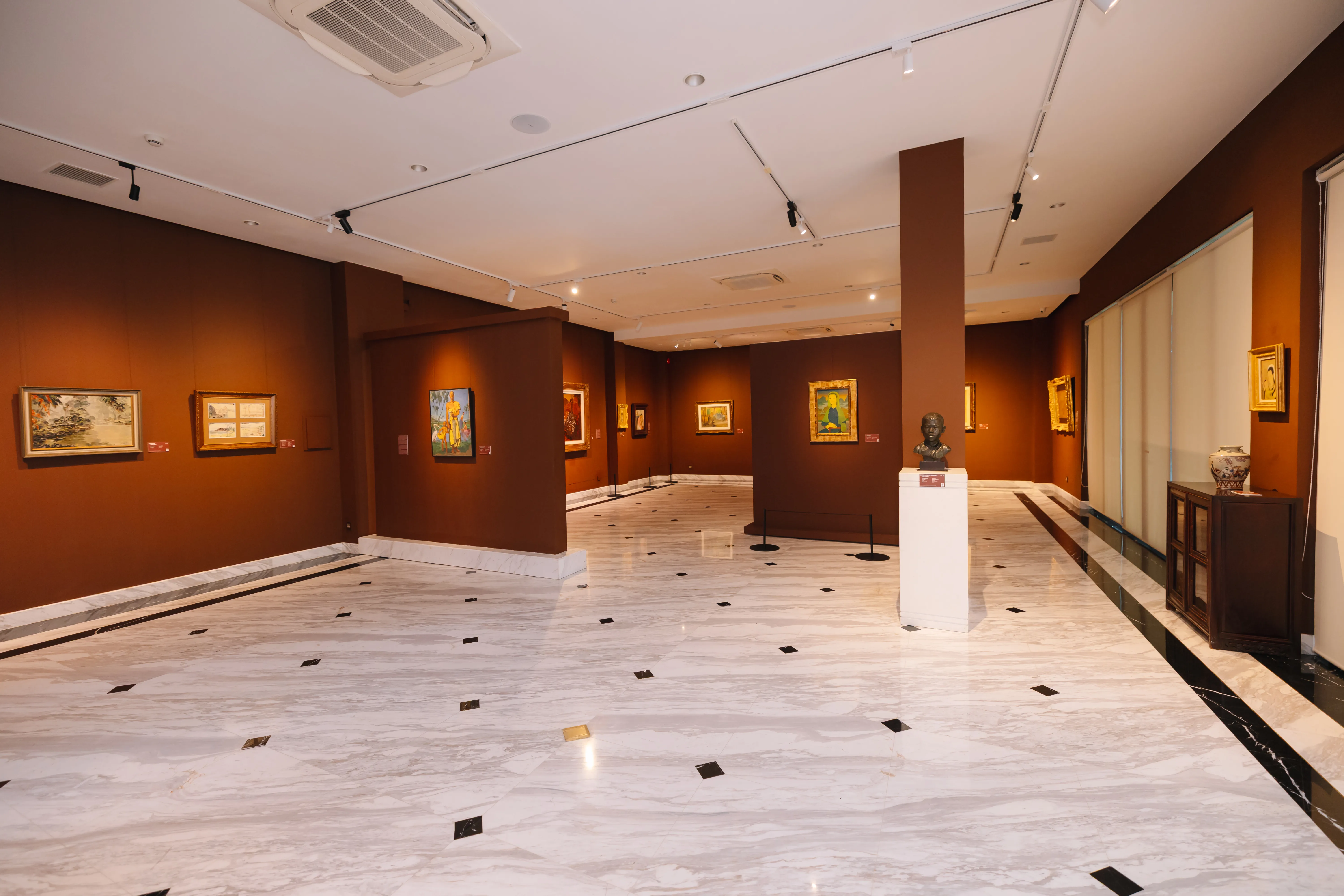
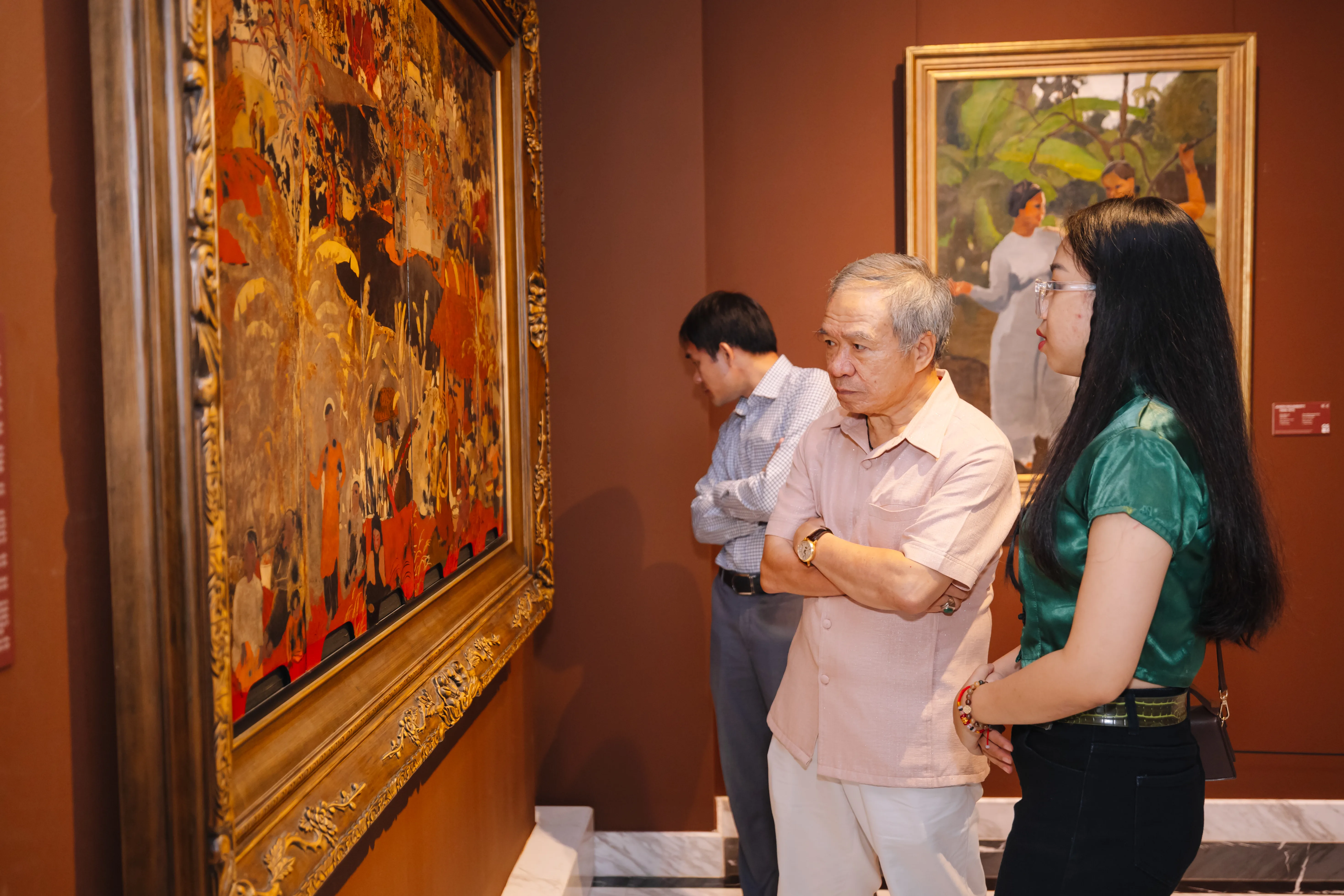
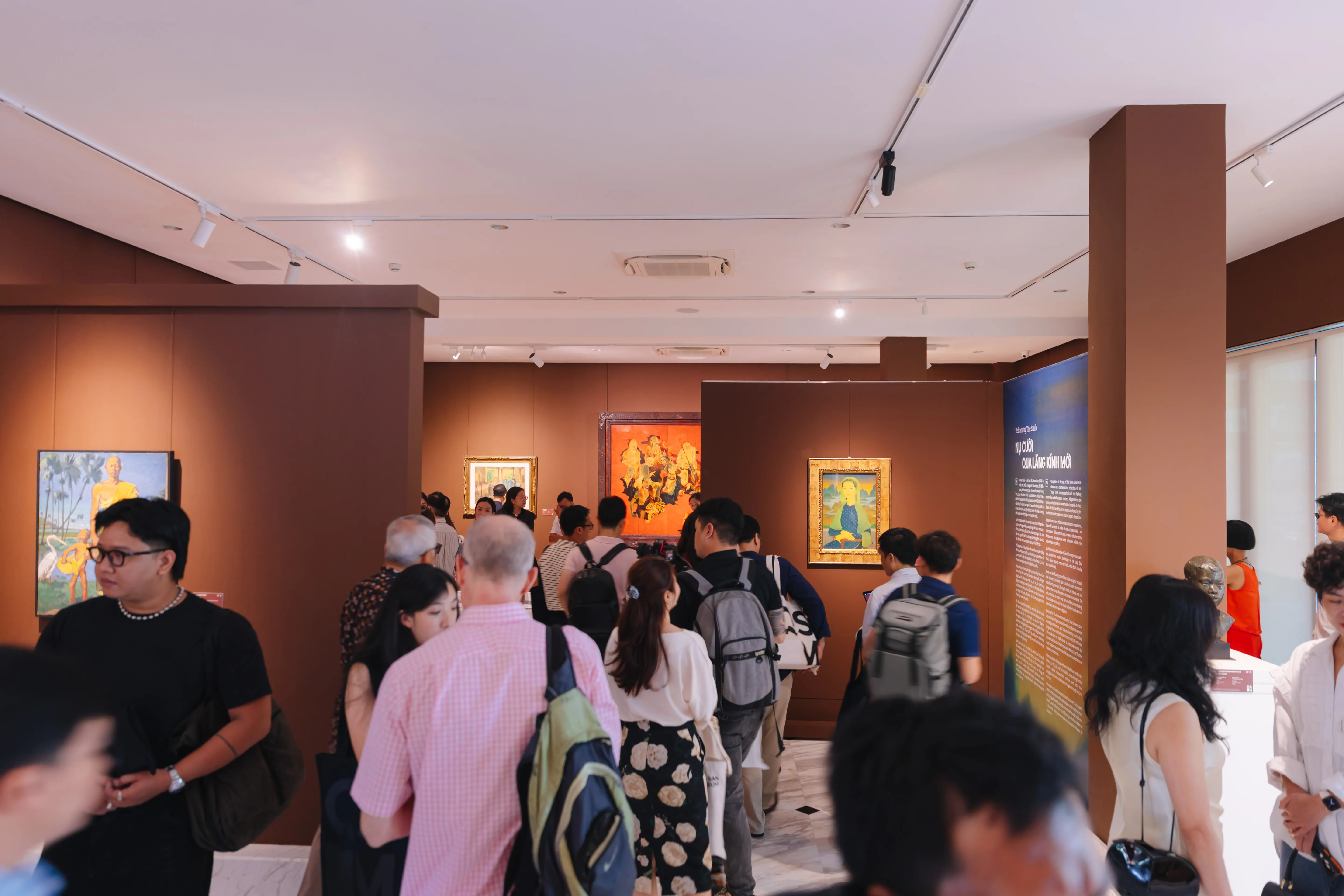
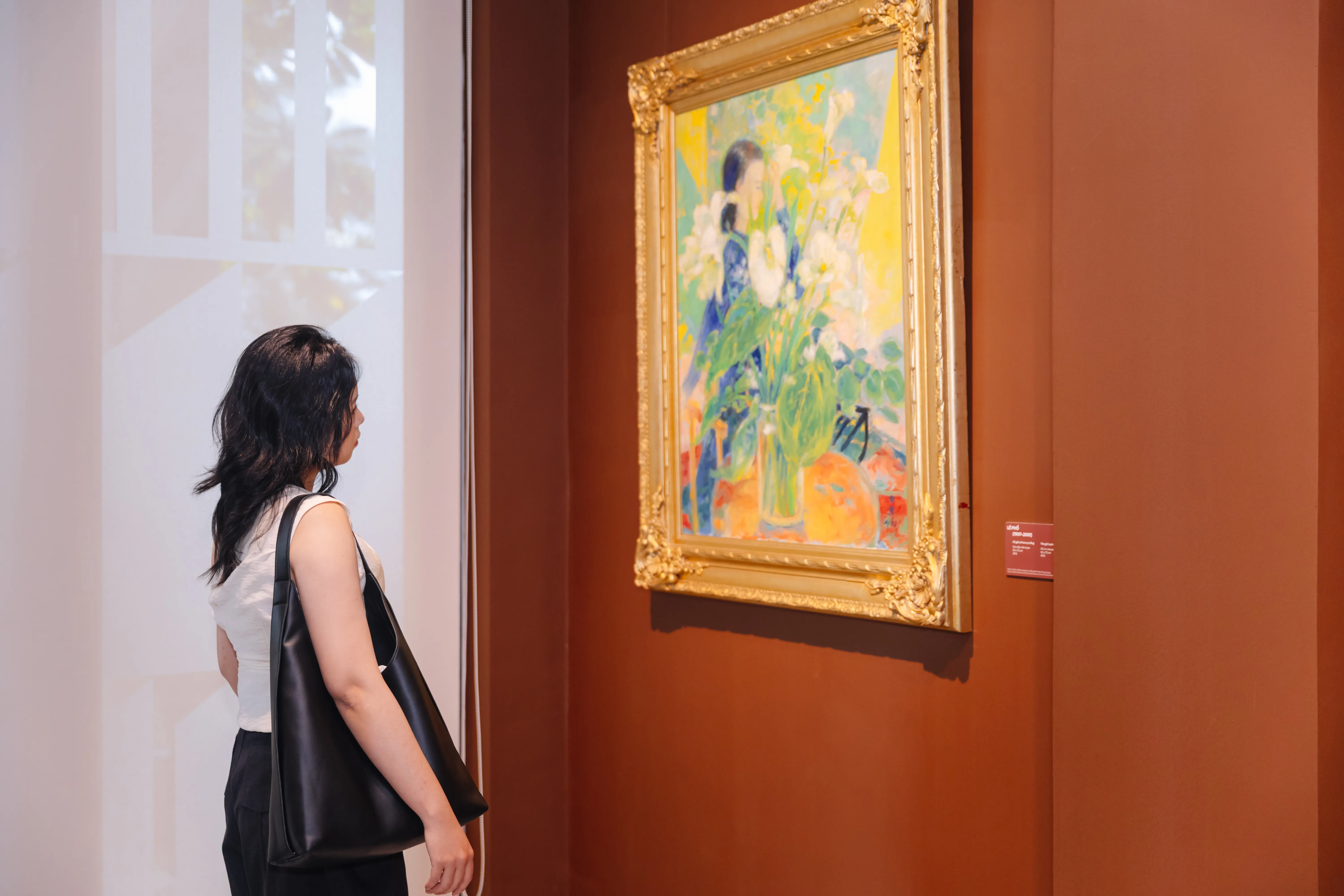
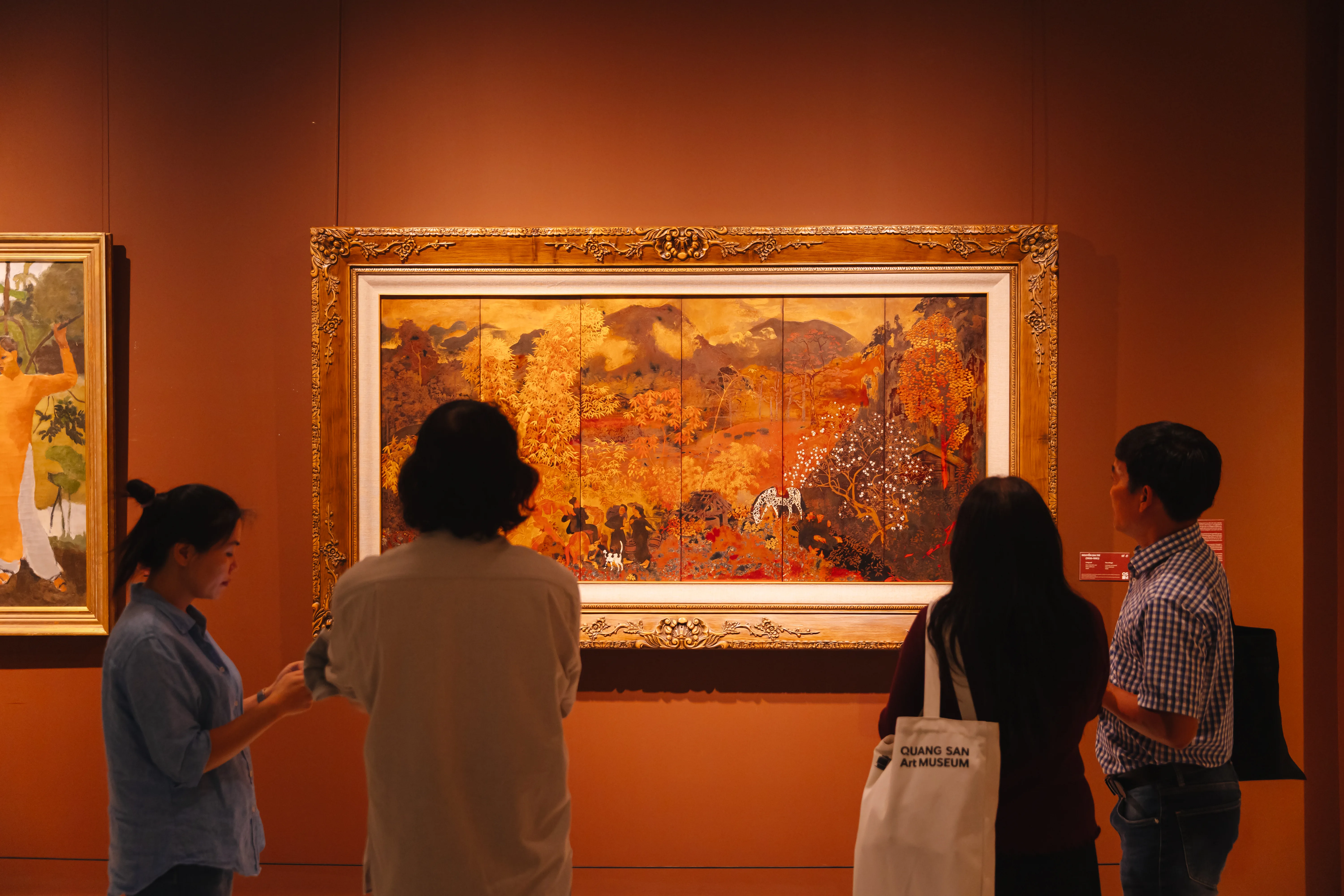
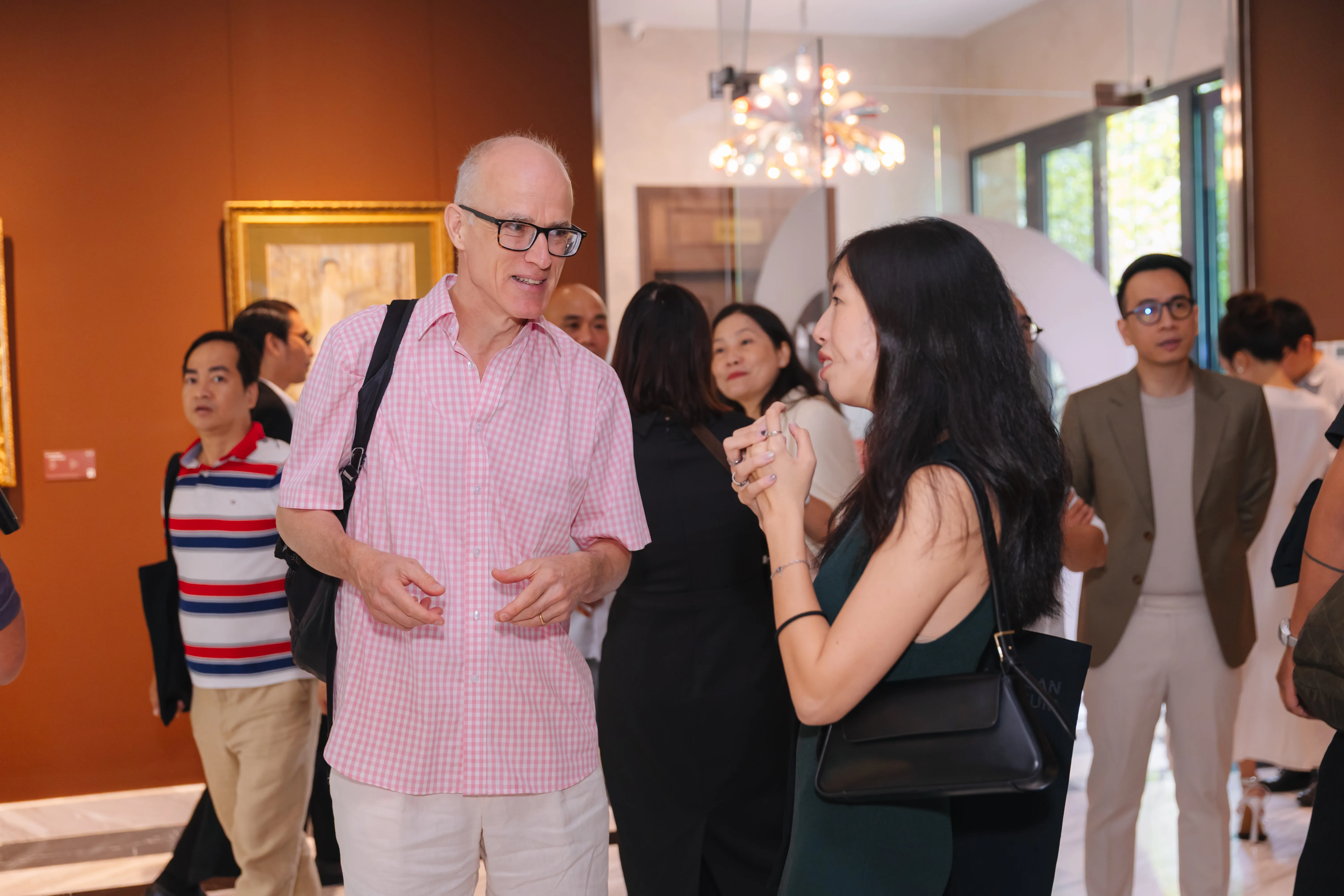
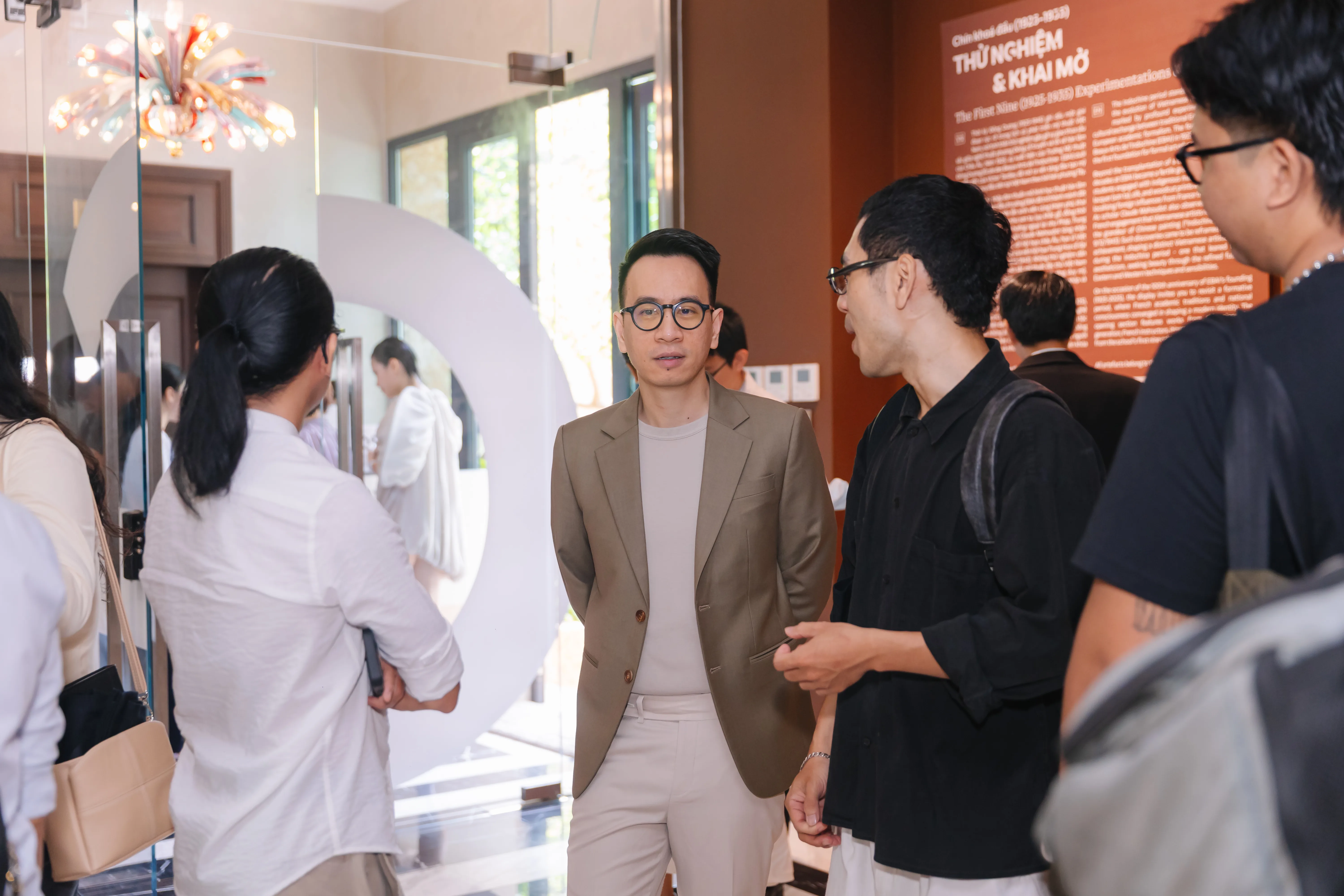
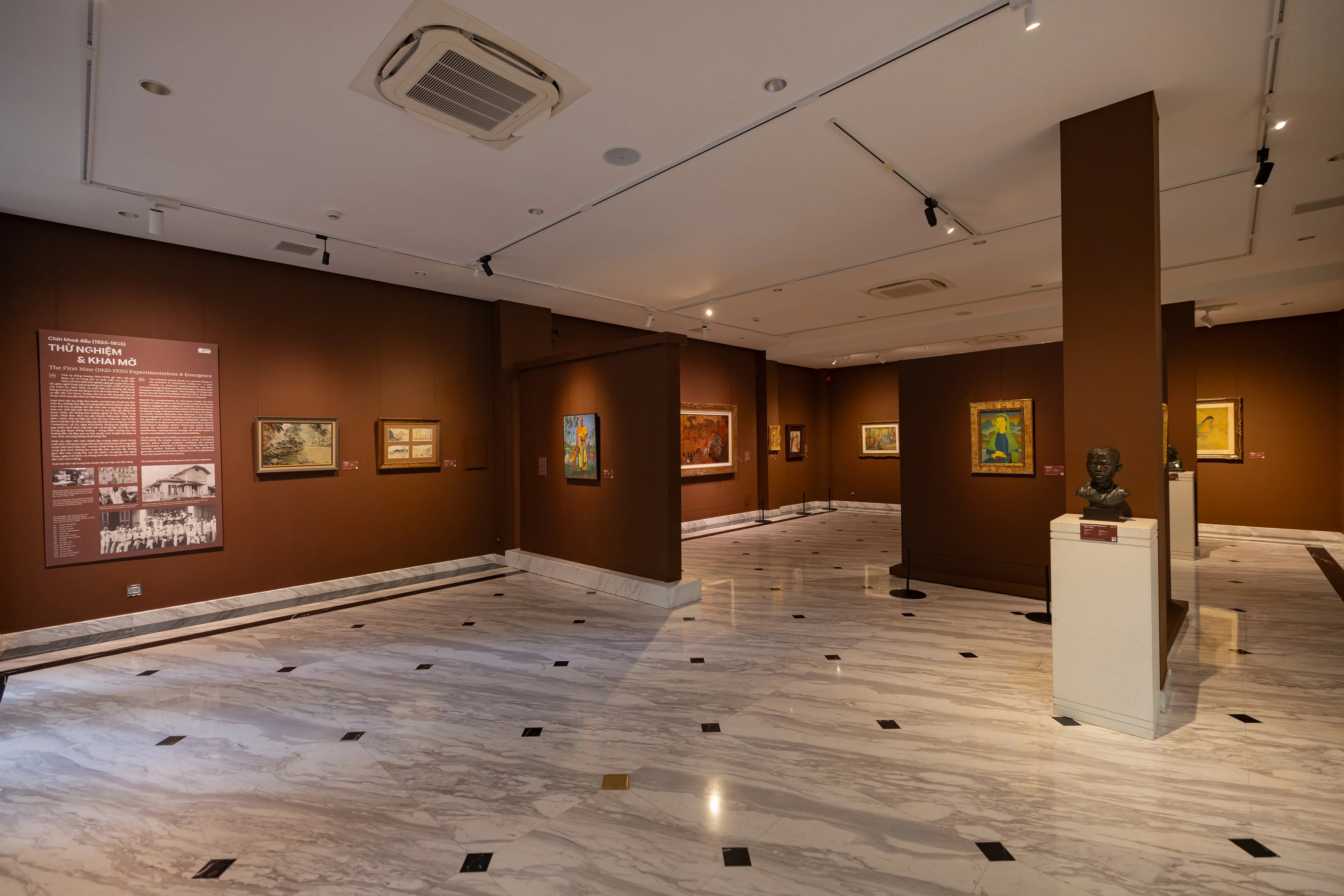
Quang San Art Museum proudly presents the special exhibition “ROOTS EVER-GROWING,” a landmark event celebrating the 100th anniversary of the founding of the École des Beaux-Arts de l’Indochine (EBAI 1925–2025). The exhibition will open on August 1, 2025, on the ground floor of the museum.
The showcase takes visitors back to the Indochina period (1925–1945), a radiant chapter in the history of Vietnamese fine arts, where the spirit of experimentation met a profound convergence between traditional Eastern art and the academic style of Europe. In 1925, the establishment of the École des Beaux-Arts de l’Indochine under the leadership of Victor Tardieu laid the foundation for Vietnam’s first formal fine arts education based on Western academic principles.
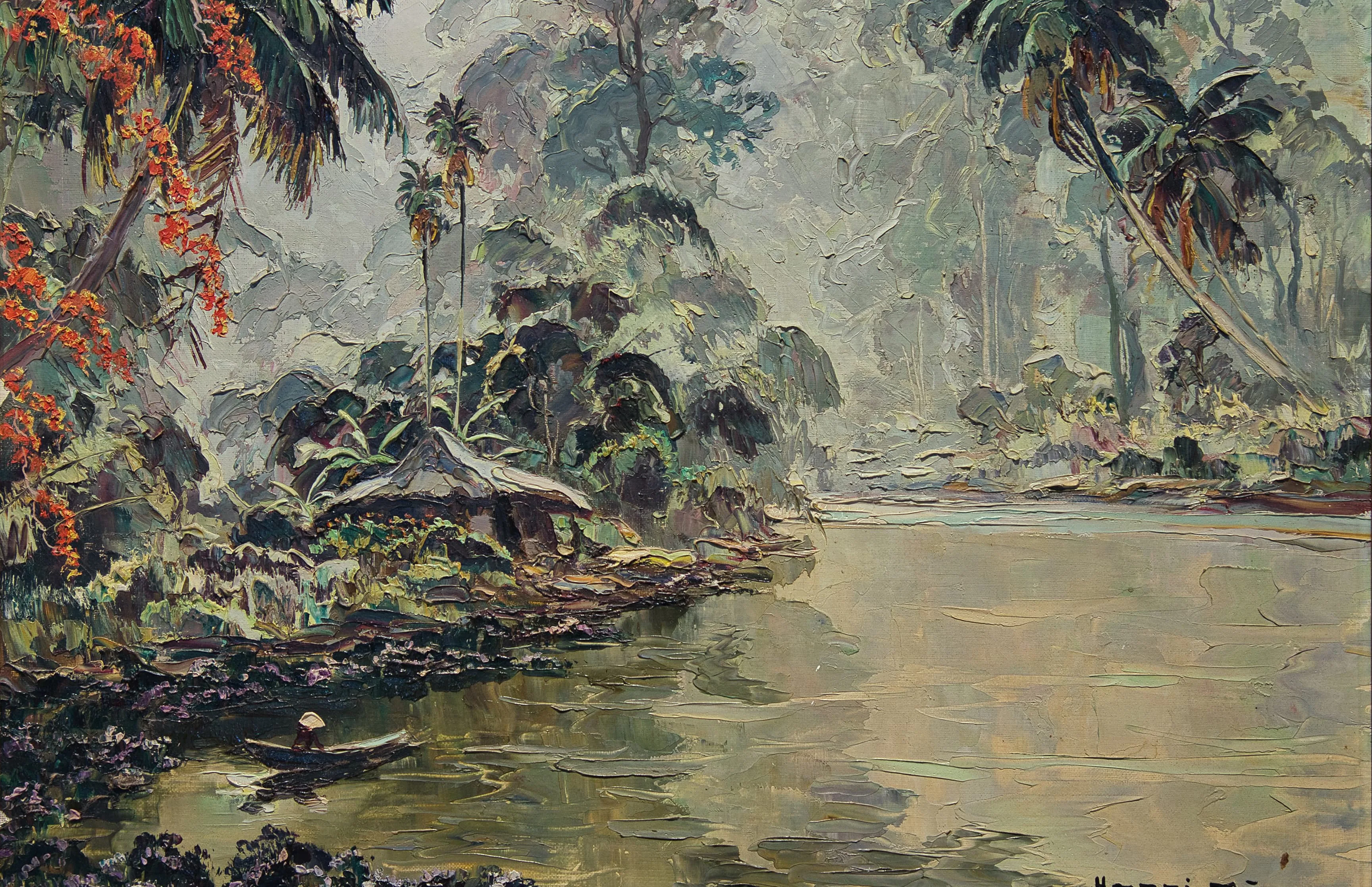
More than a mere adoption of European academic models, the early years at EBAI became fertile ground for both teachers and students to explore and experiment with native materials such as lacquer, silk, and woodcuts, while engaging with external influences from France, China, and Japan. As scholar Claude Mahoudot once noted, it was through contact with European painting that Vietnamese artists reconnected with the grandeur of ancient Chinese art (“Indochine,” No. 171, December 9, 1943).
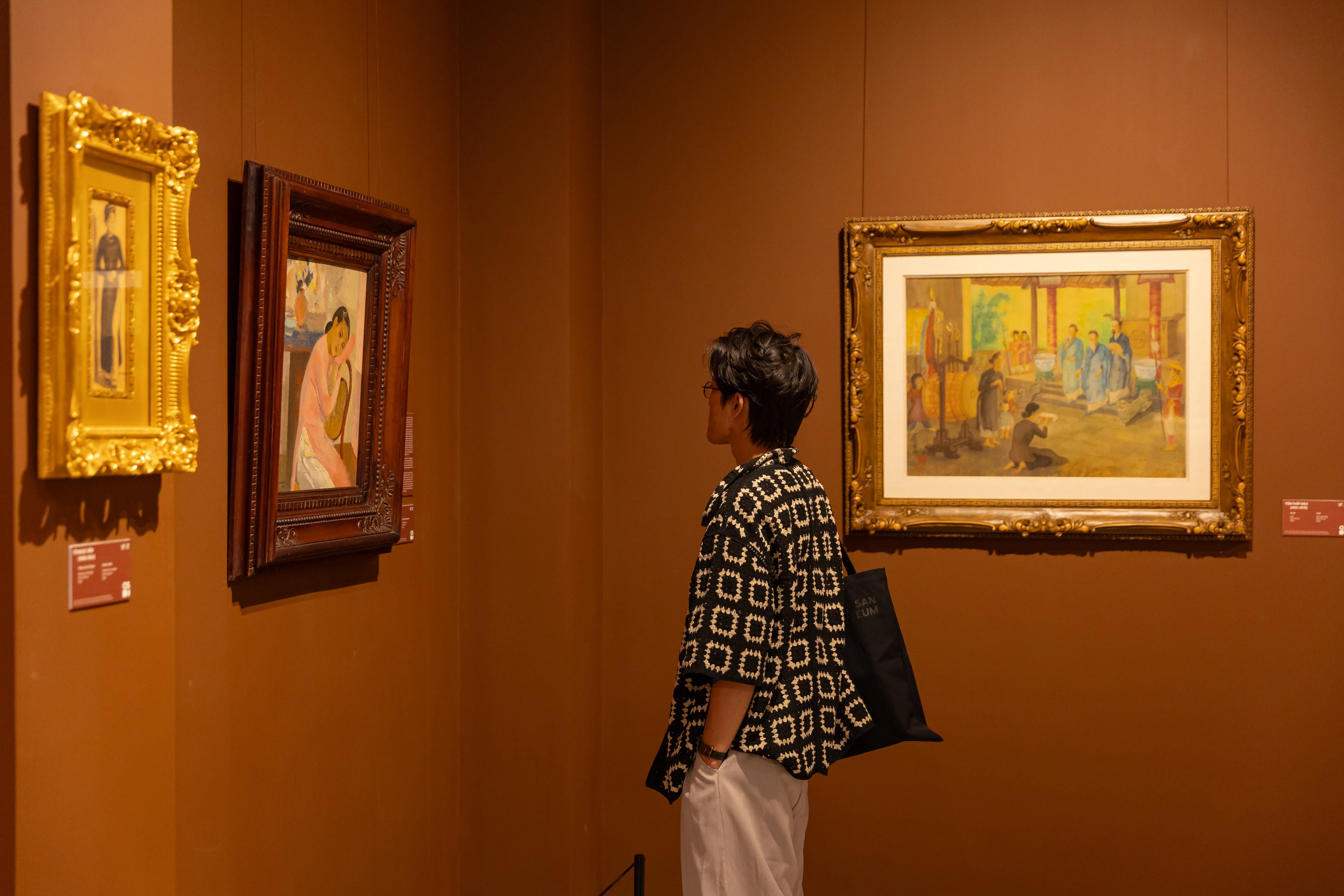
These experiments gradually helped define a distinctive Vietnamese artistic identity during the Indochina period—a pursuit of beauty through the delicate fusion of Eastern sensibility and Western technique. Together, they created a pivotal era of modern Vietnamese art—where French academicism and national consciousness intertwined to shape the first resonances of identity. The opening gallery features works by French professors, traveling artists, and students from the school’s first nine classes.
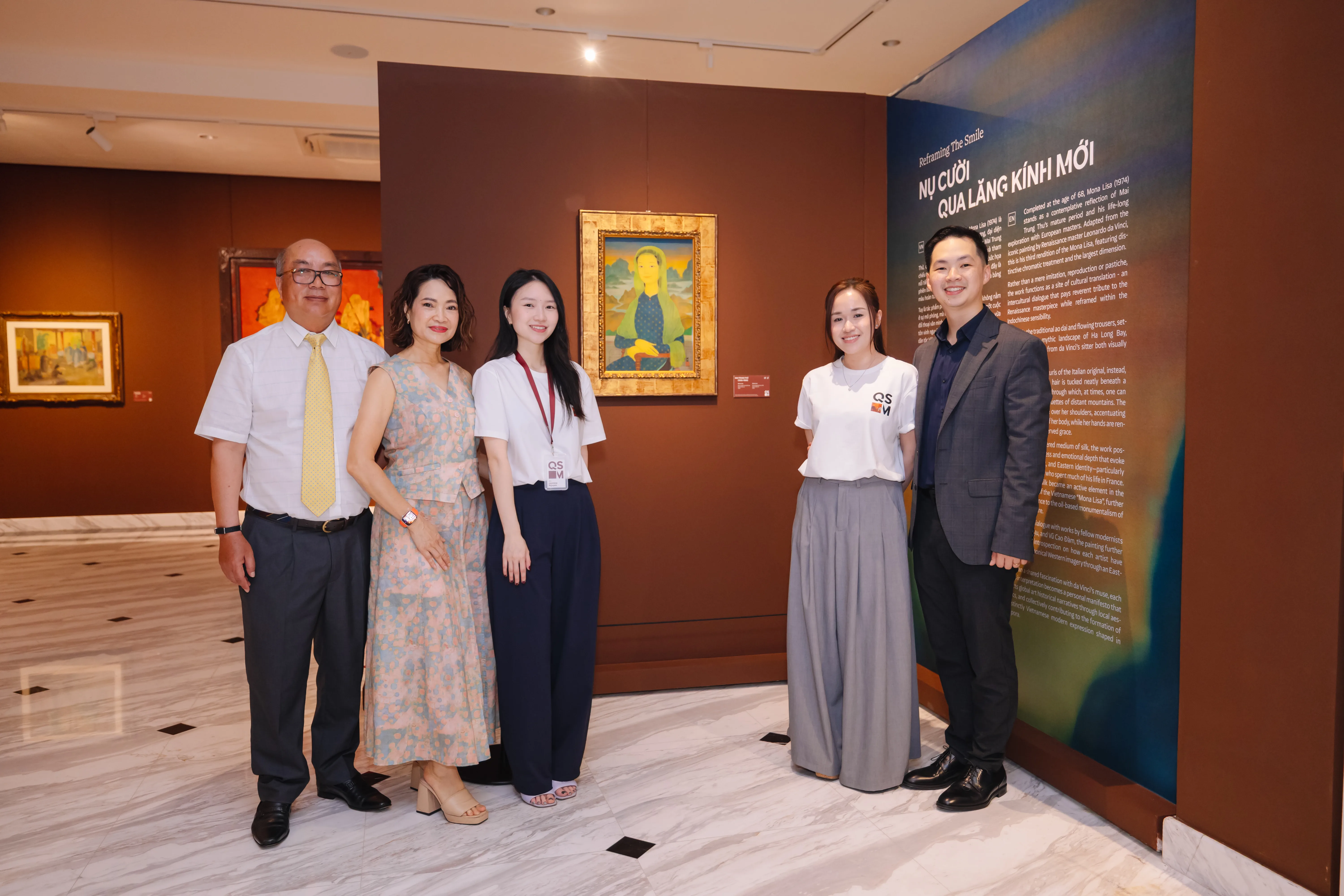
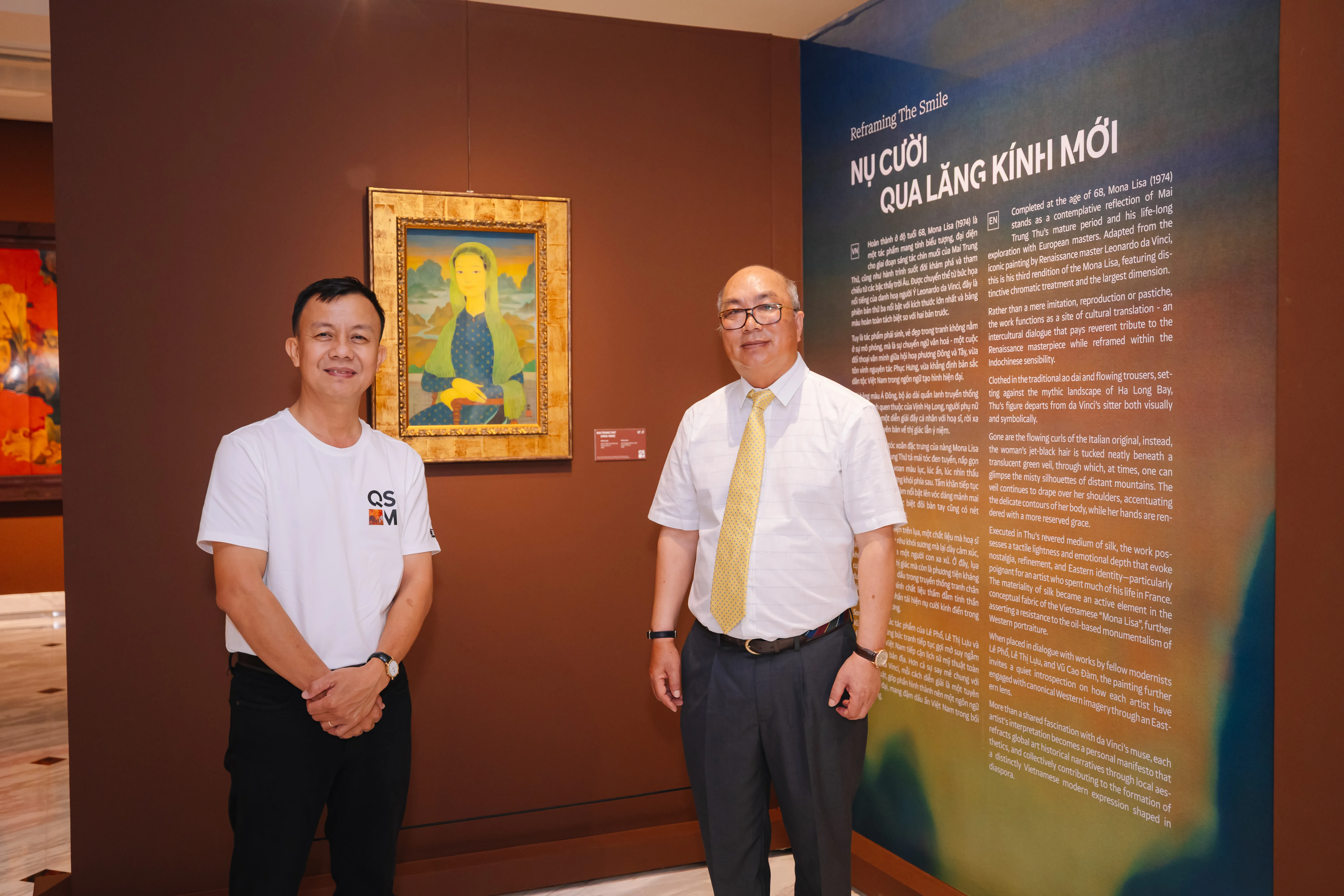
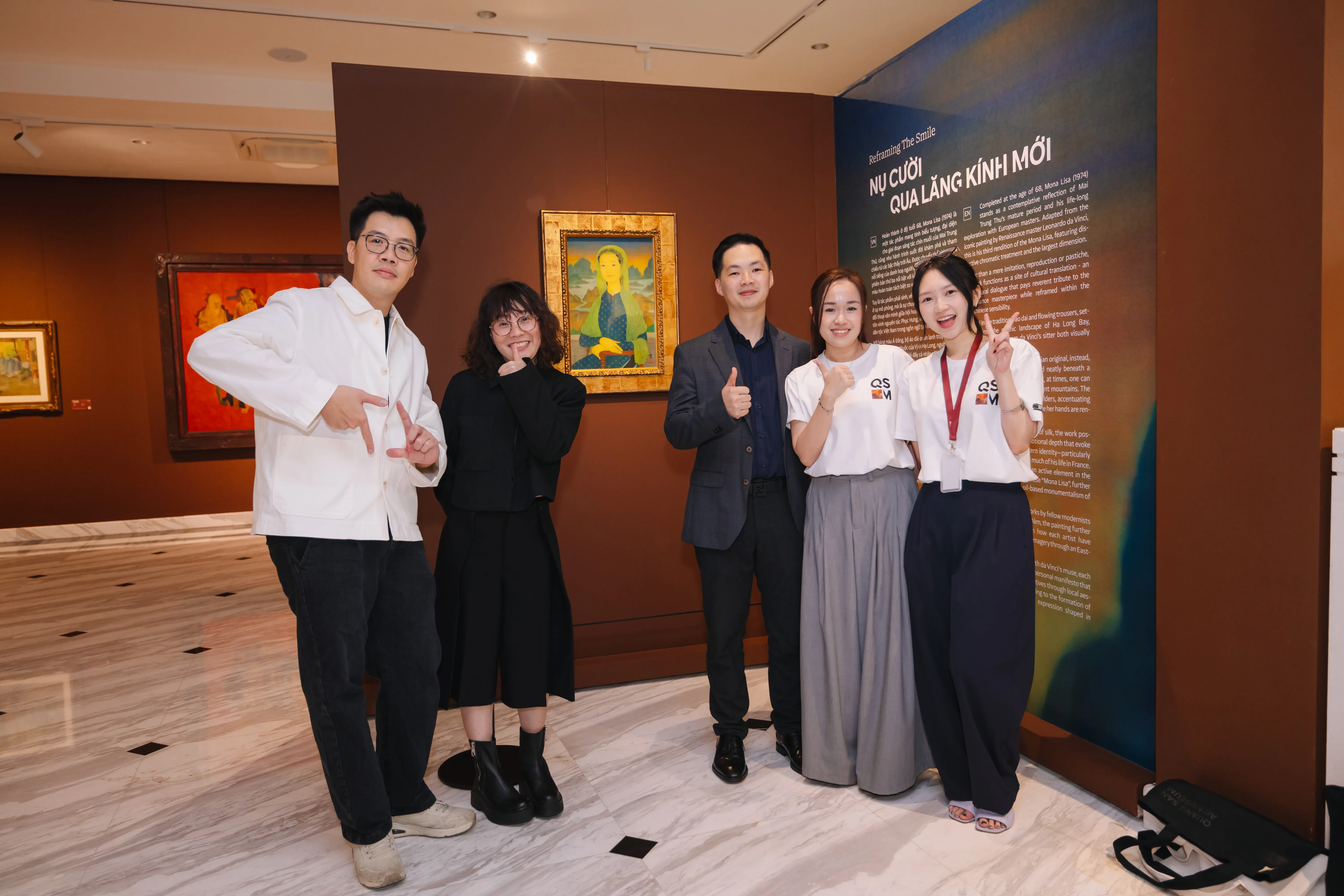
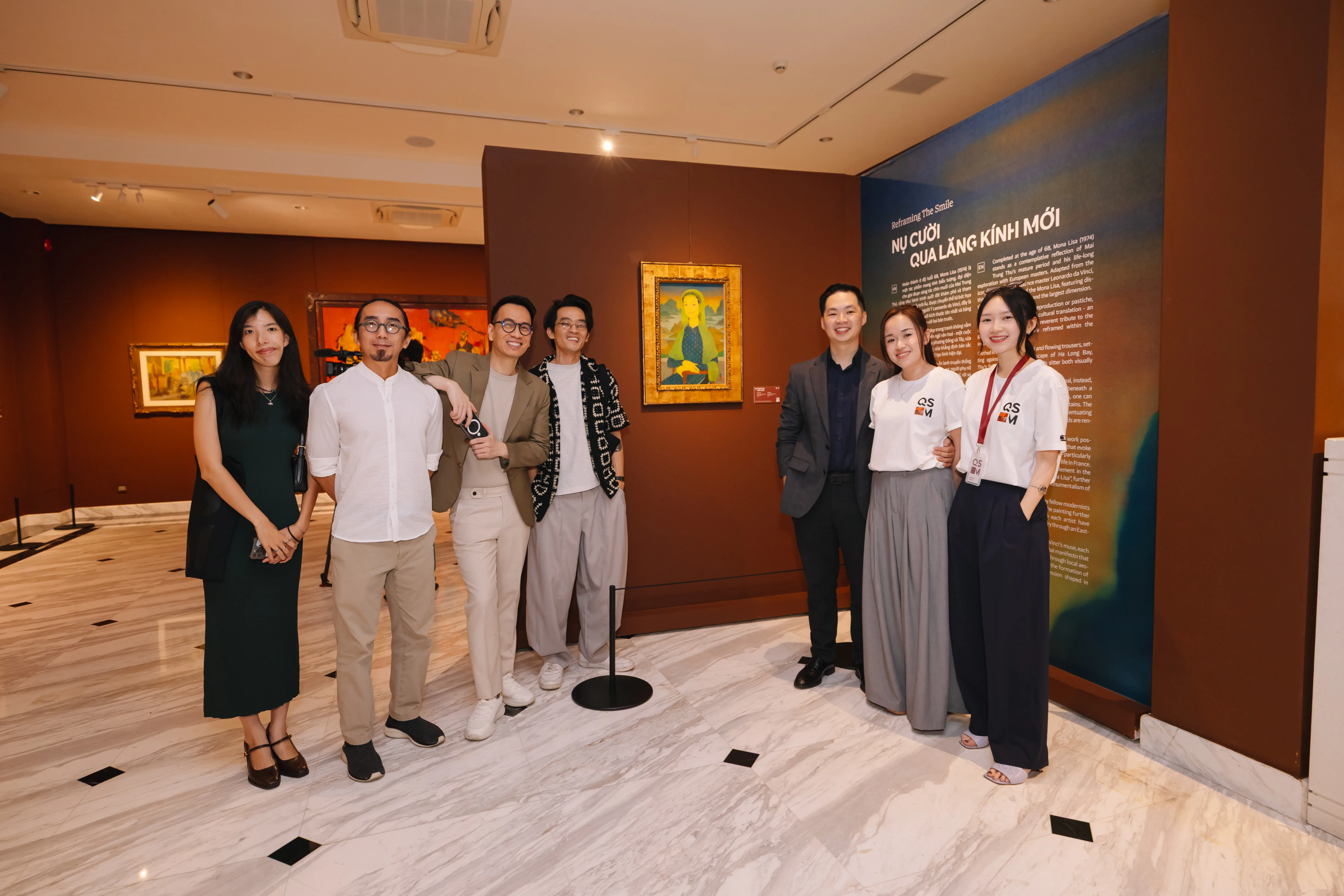
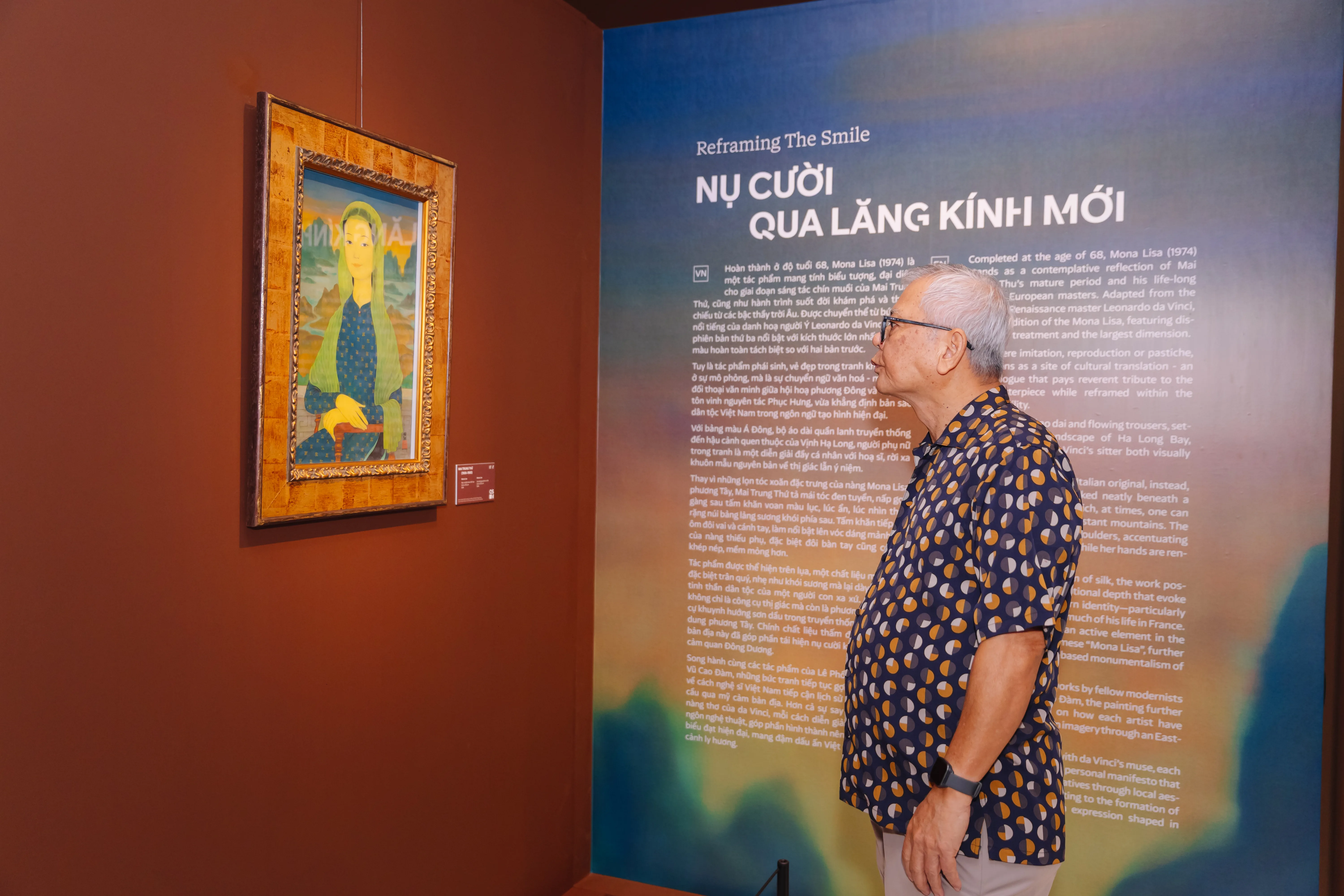
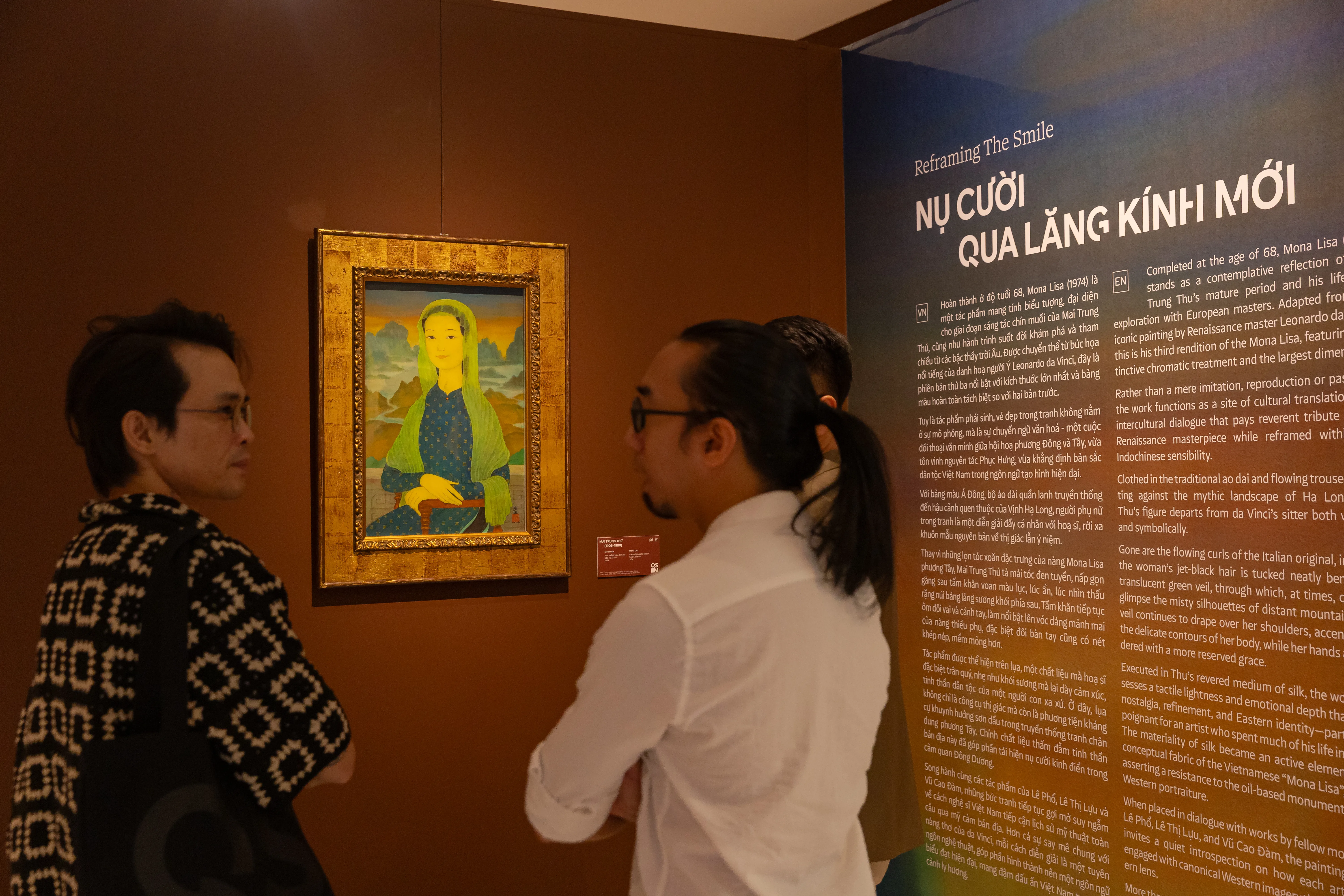
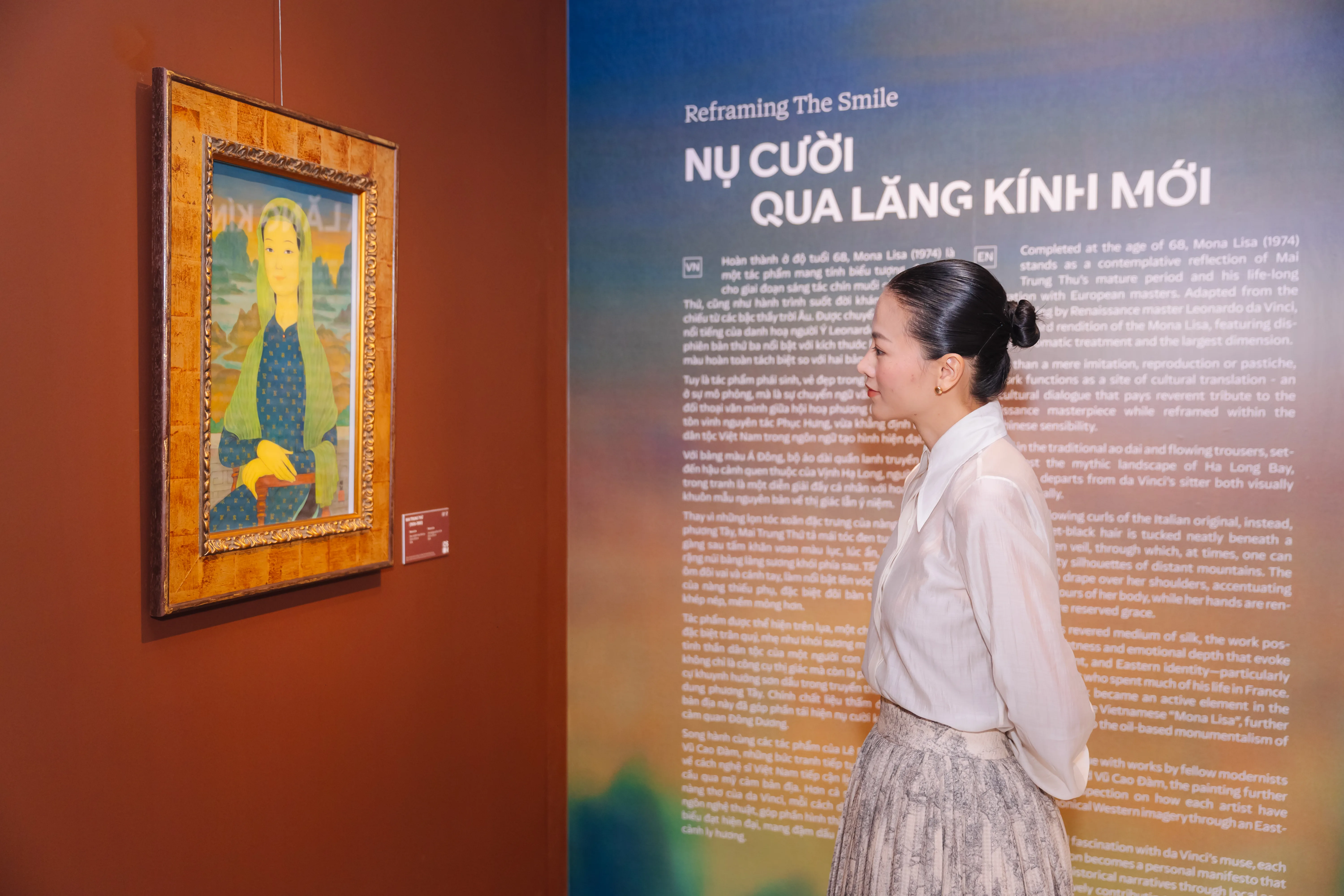
Exhibition highlight: “A Smile Through a New Lens” is how researchers describe Mona Lisa (1974) by artist Mai Trung Thứ.
Completed at the age of 68, this Mona Lisa is the third—and largest—reinterpretation of Leonardo da Vinci’s original. Though derivative in origin, its significance lies not in imitation but in cultural translation: a dialogue between East and West, honoring the spirit of the Renaissance while asserting Vietnamese identity.
The figure wears a traditional áo dài, set against a misty backdrop of Ha Long Bay. Her jet-black hair is veiled by a sheer blue scarf, partially hidden behind mountain ridges. Her hands rest demurely in a gesture of softness, distinctly Asian in character.
Painted on silk—a favored medium of Mai Trung Thứ—its airy translucence yet emotional depth becomes a visual language that “resists” the Western oil tradition in portraiture.
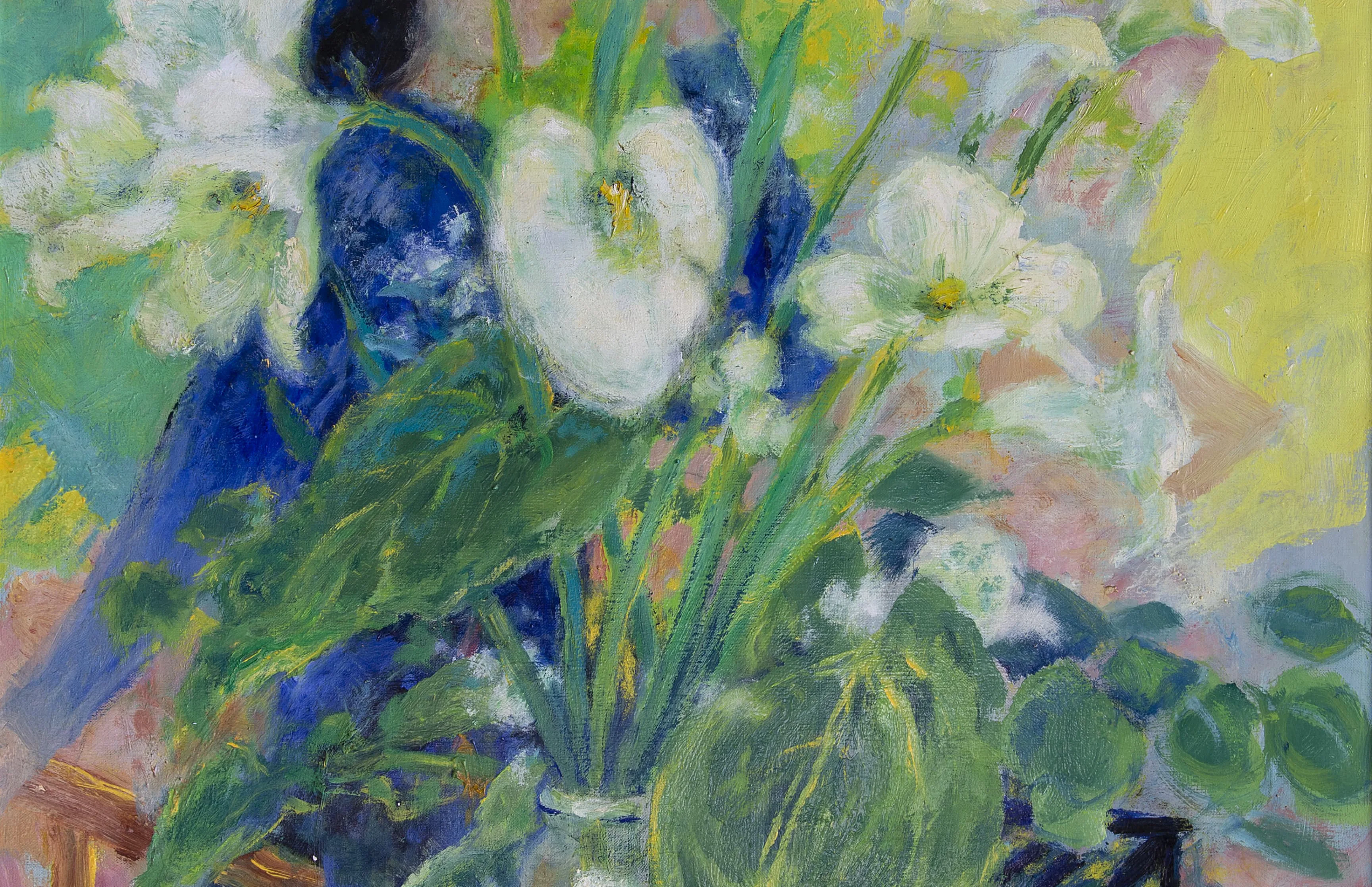
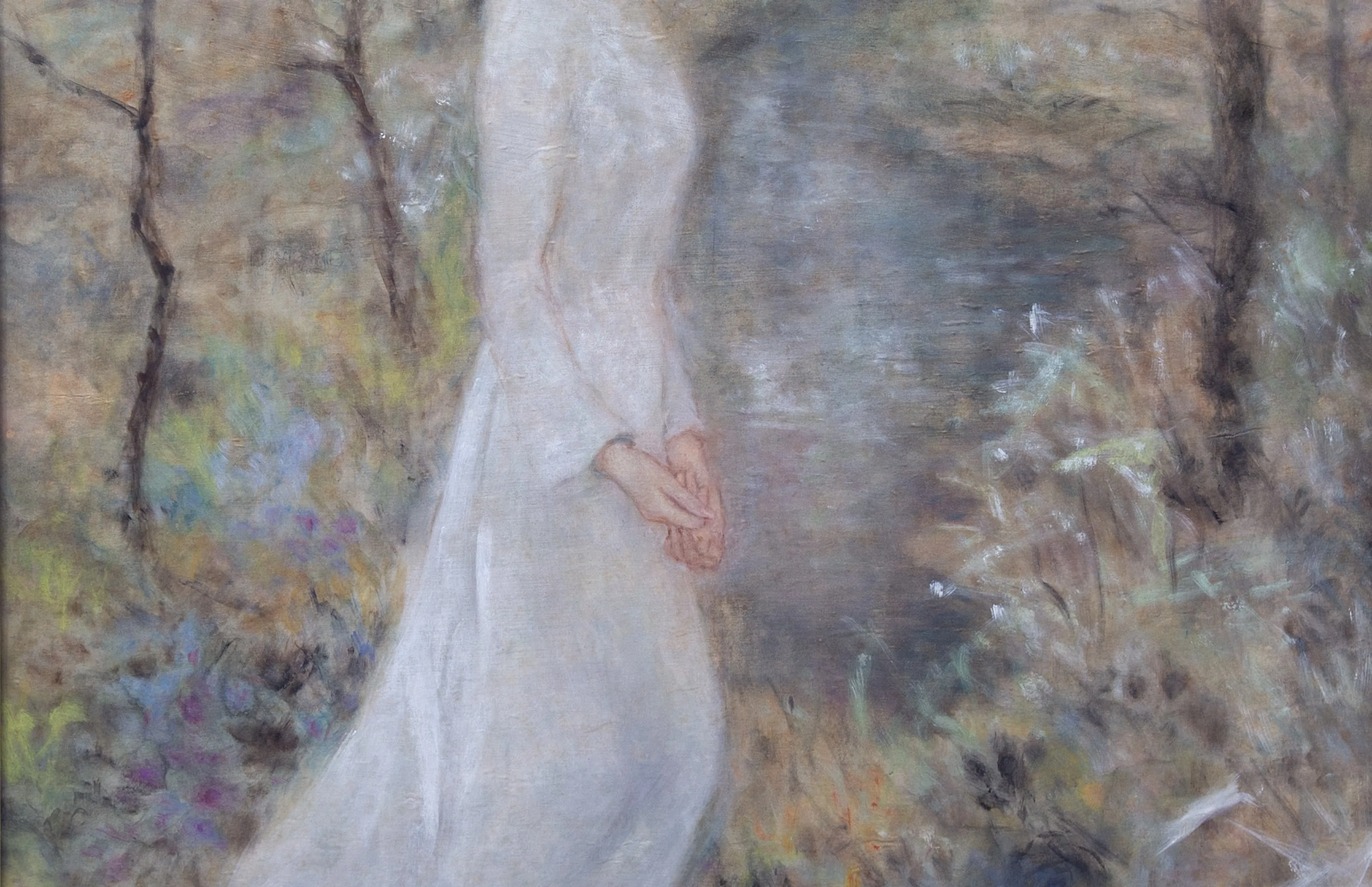
Alongside this Mona Lisa are works by Lê Phổ, Lê Thị Lựu, and Vũ Cao Đàm—iconic examples of how Vietnamese artists engaged with global art history through a local aesthetic lens, crafting uniquely personal artistic manifestos in the context of exile.