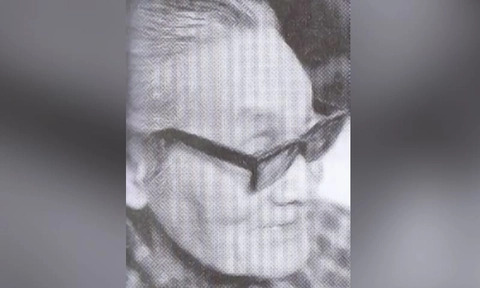
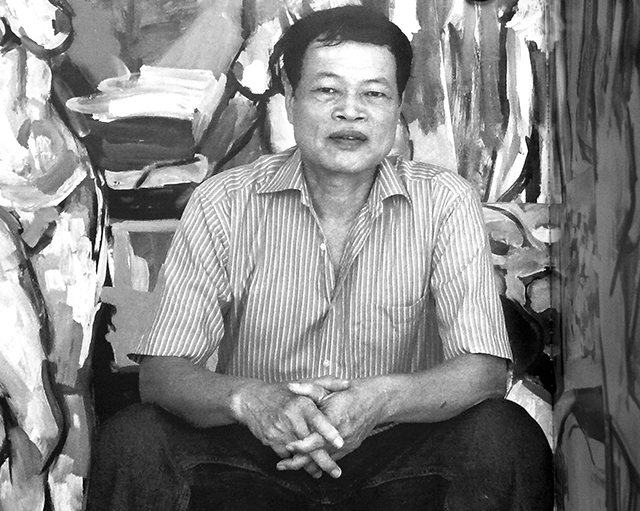
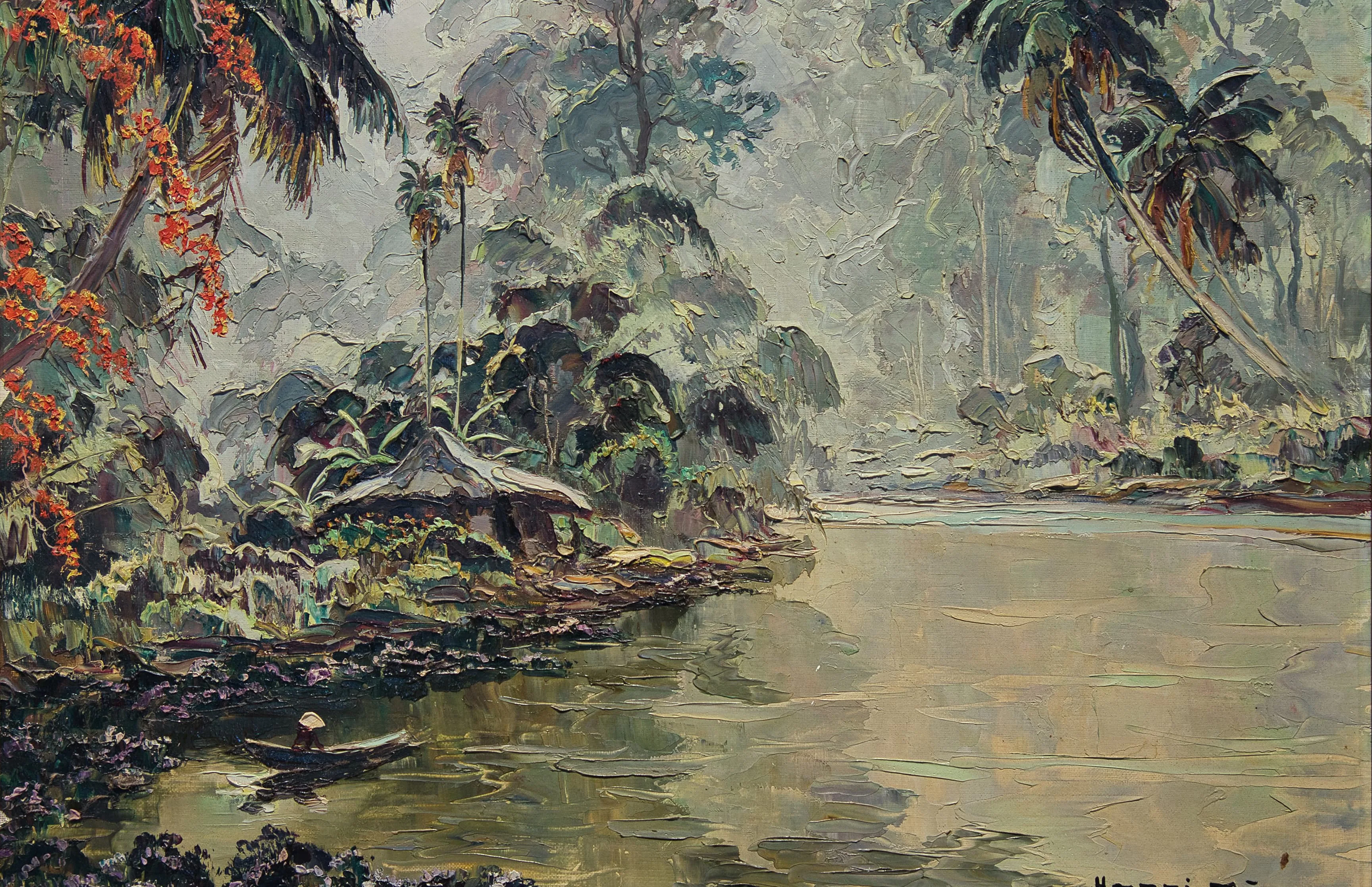
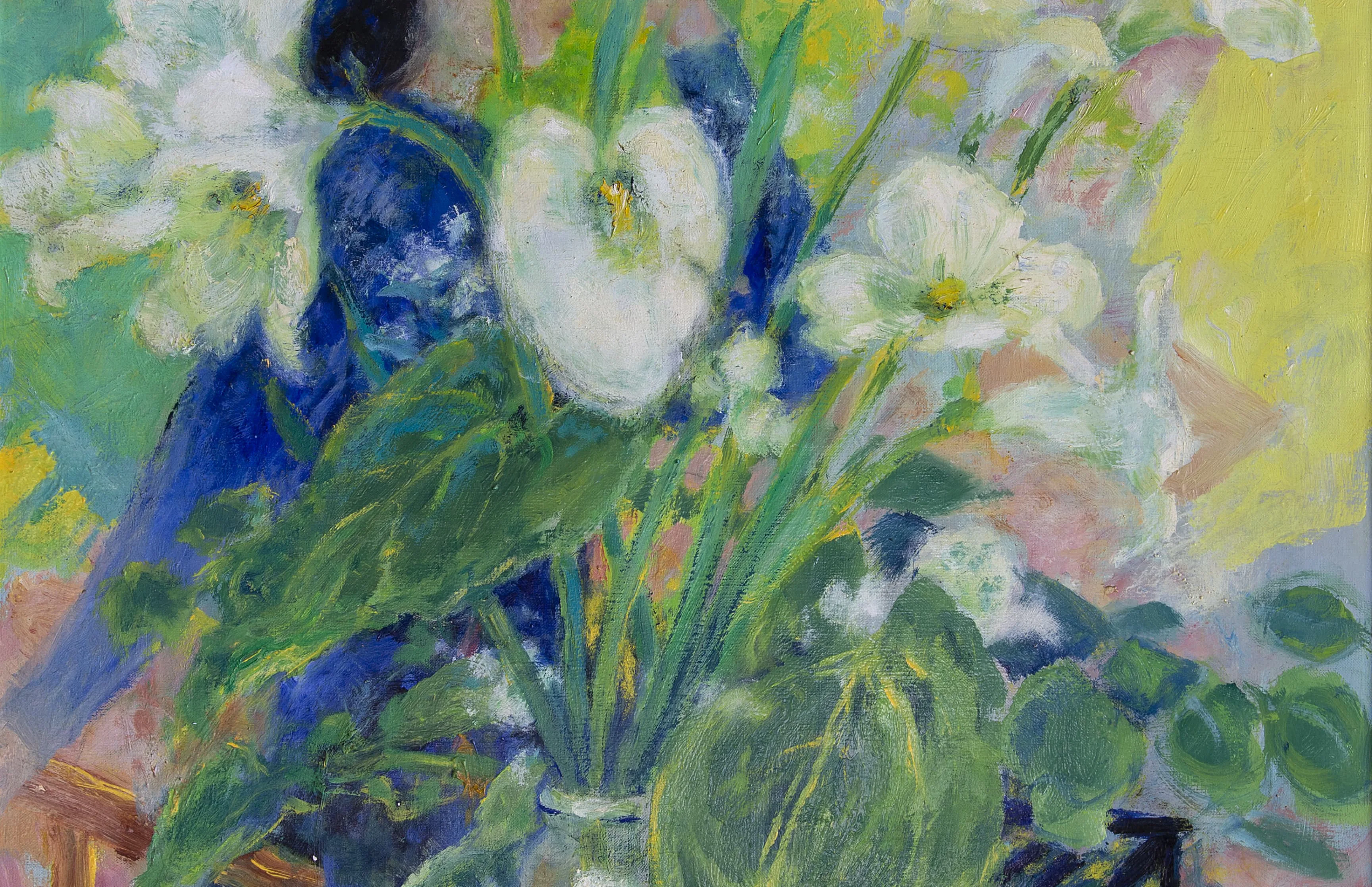
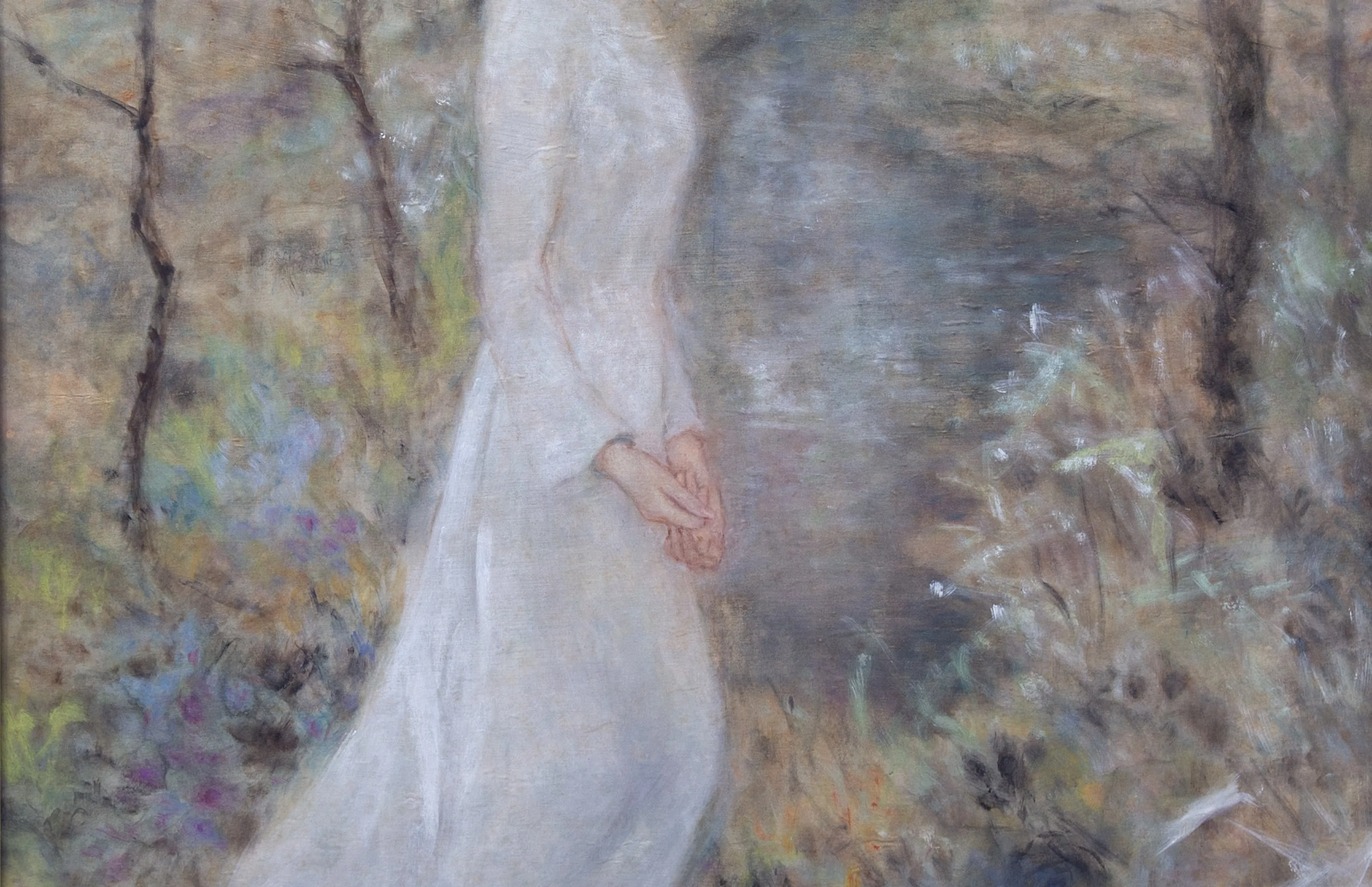
Bửu Chỉ
"Bửu Chỉ, tự bản chất là một con người phản kháng..."
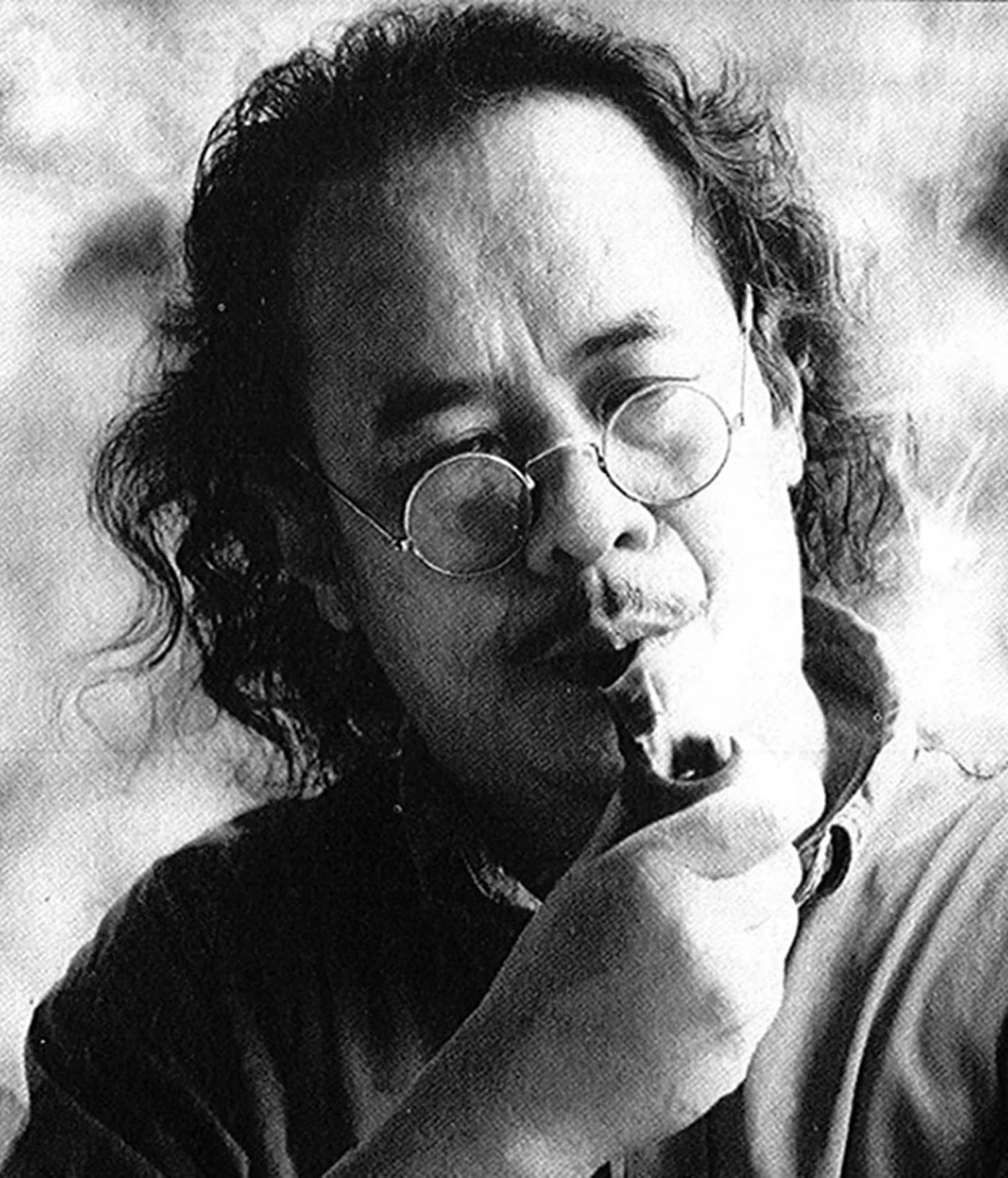
Born in Huế into a royal lineage family, Bửu Chỉ was a self-taught painter who initially graduated with a law degree but soon entered painting as a form of resistance expression. Influenced by Giacometti and Dali, he pursued an innovative style in contemporary visual art.
In the late 1960s and early 1970s, amid the fervent atmosphere of the student protest movement in the South, Bửu Chỉ stood out as a voice of disobedience, using caricature and ink drawings as a means to condemn war and social injustice. He was arrested and imprisoned multiple times, but it was during these years in prison that his reputation transcended borders: his anti-war drawings made with Chinese ink on cigarette packs and wrapping paper were circulated internationally by the press as vivid evidence of art’s power under captivity. As the late musician and close friend Trịnh Công Sơn (1939–2001) once wrote: “Bửu Chỉ, by nature, is a man of resistance. He does not only rebel against himself, but also seeks to disrupt the surrounding order.”
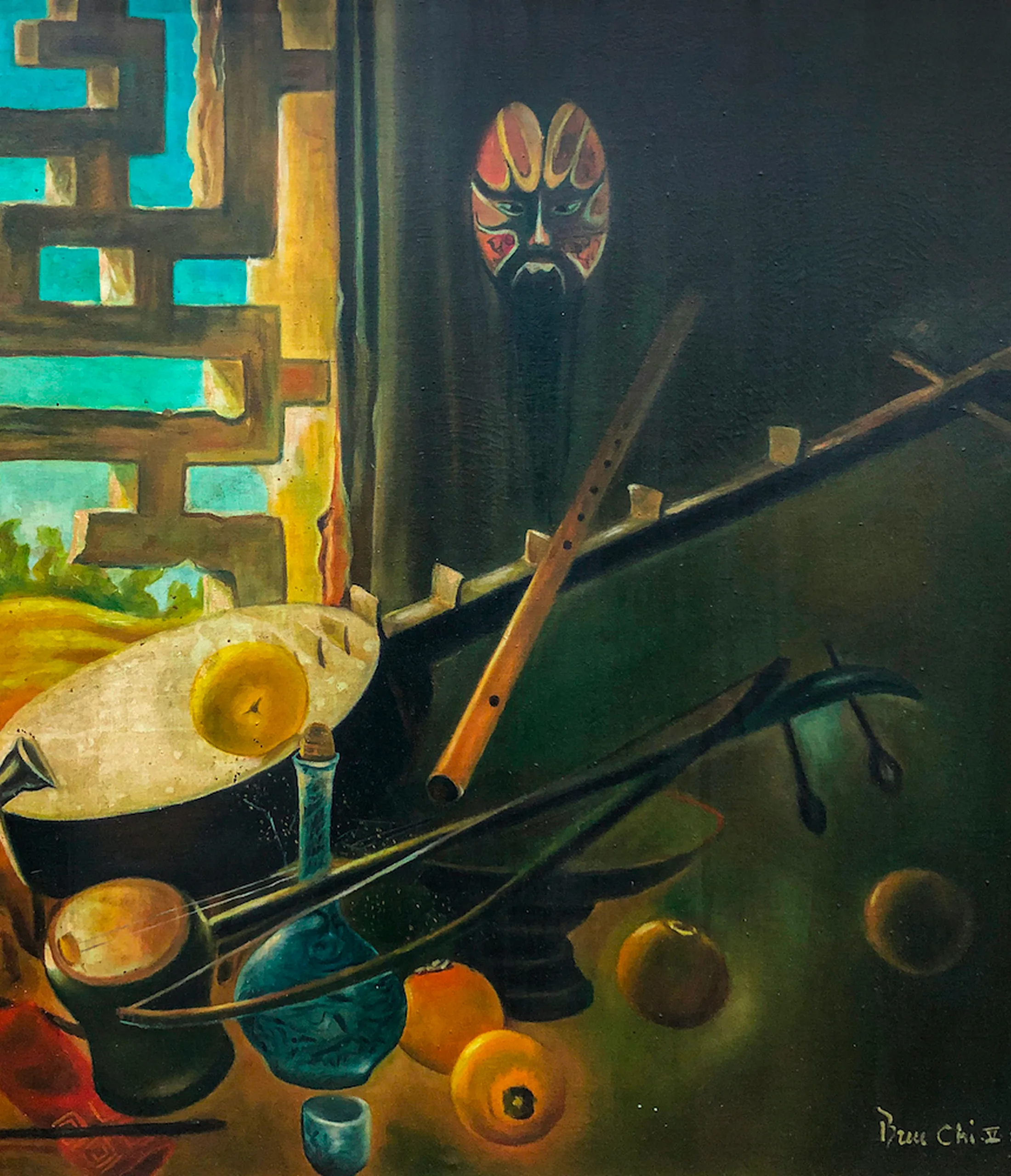
After 1975, he returned to a freer life, and Bửu Chỉ’s painting took on a different depth, becoming quieter and more contemplative. Nearly exclusively devoted to oil painting, his work carried heavy existential reflection and empathy for the human condition. No longer romanticizing ideals or exposing harsh realities, his art became an inward journey exploring the human psyche amid the chaos of the era.
When he passed away in 2002, Bửu Chỉ left behind a legacy not large in quantity but rich in symbolism and humanity. He is regarded as an honest, uncompromising artist who always took creative freedom as his guiding principle.